
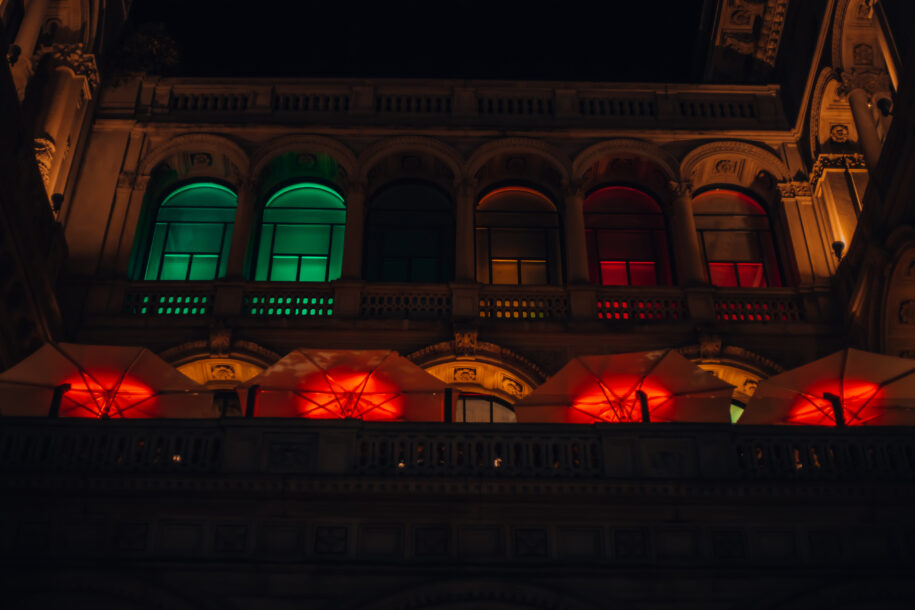
Milan is often introduced through its daytime icons—fashion showrooms, design museums, and a fast-paced business rhythm. Yet, once offices close and the city shifts into evening mode, Milan reveals a different identity: an urban nightlife that is varied, neighborhood-driven, and closely tied to local habits like the aperitivo. For travelers, this matters for a practical reason: nightlife in Milan is not “one place,” but a collection of districts with distinct atmospheres, price points, and closing-time dynamics. Planning where to go and how to move between areas can turn an ordinary night out into a smoother, safer, and more enjoyable experience.
If you’re organizing your time in the city—especially on arrival or departure day—consider how evening plans intersect with logistics. Milan’s nightlife often starts early (with aperitif hours) and can stretch late (especially in club areas), so having flexibility can help. If you’re exploring the city with bags in tow, it’s useful to know the options for bag storage and delivery services in Milan and how they can simplify moving from sightseeing to dinner to a late night out. A practical starting point is the local guide to Milan luggage storage and delivery, which is also relevant for travelers staying in hotels, B&Bs, or short-term rentals.
Index
- Overview of nightlife in milan
- Best districts for nightlife in milan
- Top nightlife venues and activities
- Finding nightlife that is open now and highly rated
- Nightlife on sundays and less typical nights
- Domande frequenti
Overview of nightlife in milan
Milan nightlife is best understood as a set of overlapping scenes rather than a single “party zone.” There’s the elegant cocktail culture around design-led bars, the social ritual of aperitivo in canal-side venues, the concert and live-music circuit that changes week by week, and the club ecosystem that peaks on weekends. The city’s public transport—especially metro lines—makes it possible to hop between neighborhoods, but the last-mile details (late-night frequency, night buses, taxi availability) strongly shape how people plan their evening.
Another defining element is timing. In many parts of Milan, nights start with aperitivo (often early evening), then shift to dinner, then to bars or clubs. Travelers sometimes arrive expecting a “late start” nightlife culture; in reality, Milan can be busy earlier, with a gradual escalation toward midnight in certain areas. For a broad orientation on the city and how to fit nightlife into your itinerary, see the overview on Milan travel logistics and luggage solutions—especially useful if you’re arriving before check-in or leaving after check-out.
Does milan have a vibrant nightlife?
Yes—though it’s vibrant in a Milanese way. The city is less about one massive entertainment strip and more about districts with different “codes”: some areas reward reservations and smart-casual outfits; others are casual and social, with a student-friendly vibe; others focus on live performances or DJ nights. Milan also attracts a constant flow of international visitors, fashion and design professionals, and students, which helps sustain variety across the week.
To set expectations, nightlife vibrancy is often seasonal and calendar-driven. During fashion weeks, design events, major concerts, and football matches, certain areas become noticeably busier. Outside those peaks, the scene remains active but more localized: you’ll see groups circulating among familiar spots rather than a single crowd converging in one location. Practical tip: if you’re combining daytime sightseeing (Duomo, museums, shopping) with a long evening, you’ll want a simple plan for managing belongings—again, the city page on services for travelers in Milan is a useful reference for building a flexible schedule.
Milan nightlife for singles and students
Singles and students usually look for two things: social density (places where it’s easy to meet people) and affordability (or at least predictable costs). Milan has options for both, but they’re not always in the same neighborhood. Areas with high social flow—where people stand, mingle, and move between venues—are often better for meeting others than seated-only cocktail bars. Students tend to favor areas with a high concentration of casual bars, shared tables, and a “bar-to-bar” culture; singles may prefer venues with mixed crowds, accessible music volume, and layouts that support conversation.
One way to navigate this is to pick a district based on the kind of interaction you want. If you want a more spontaneous, street-level vibe with lots of movement, canal areas are common choices. If you want a more composed atmosphere with quality cocktails and art-oriented venues, central neighborhoods work well. If your evening plan includes multiple stops, keep transport and safety in mind: late-night moves are easier when you’re not also handling heavy bags, so it can help to plan around practical services described on the Milan page before you commit to a multi-neighborhood night.
Best districts for nightlife in milan
Milan’s most recognizable nightlife districts each offer a different “promise.” Some are ideal for aperitivo and long walks; others cluster refined wine bars and cocktail lounges; others are useful if you want to stay close to landmark areas and still find an evening scene. Importantly, these districts are not isolated: you can start in one for aperitif, head elsewhere for dinner, then return or move on for late-night venues. The best plan is usually to choose one core district and add one secondary stop, rather than trying to cover everything in a single evening.
Before diving into individual neighborhoods, it helps to align your choice with your priorities: do you want to maximize variety with short walking distances, or do you prefer fewer but higher-quality venues? Are you traveling as a couple, with friends, or solo? And what time will you realistically be moving around? If you’re building a night out around a central base—hotel, B&B, or a partner structure—having the broader context of Milan travel organization can help you pick a district that fits your arrival/departure times, especially on short stays.
Navigli district highlights
The Navigli area is often associated with Milan nightlife because it offers a classic evening structure: canalside aperitivo, dense clusters of bars, and a walkable flow that makes “one more place” an easy decision. The atmosphere is typically social and informal, with people moving between terraces, bridges, and side streets. It’s a good choice if you want a district that doesn’t require a strict plan—just arrive, walk, and let the night unfold.
That said, Navigli is not a single homogeneous zone. Along the canals, you’ll find more visible, tourist-friendly venues and a constant stream of passersby. Step a few streets back and the vibe can shift toward smaller, calmer spots with a more local rhythm. The practical advice here is to walk first, choose later: take five to ten minutes to scan prices, seating, and music volume before committing. Also, be mindful of weekends: the area can get crowded, and dinner tables fill quickly. If you’re arriving from the station or transitioning from a day trip, building your plan around luggage-free movement can make the district much more enjoyable—this is where understanding Milan luggage handling options can help you keep the evening fluid.
Brera district attractions
Brera is often described through its daytime identity—galleries, design, refined streets—but it also has a strong evening character. The nightlife here tends to be more composed: cocktail bars, wine bars, and venues that emphasize ambiance and service. It’s a district that works well for travelers who prefer conversation-friendly settings, curated drink lists, and an “urban elegance” that feels distinct from the louder nightlife corridors.
Brera’s strength is also its limitation: it’s less about late-night chaos and more about a steady, quality-driven evening. That makes it a good choice for couples, business travelers, or small groups who want a polished night out without needing a club. If you’re looking to combine an early dinner with a well-made cocktail afterward, Brera is often a logical pick. For visitors organizing an evening around central locations and short transfers, it’s useful to consult practical city info like the Milan guide for travelers, especially if you’re fitting nightlife into a tight schedule.
Cerchia dei Navigli and surrounding areas
The Cerchia dei Navigli—the historic inner ring where canals once circled the city—doesn’t correspond to a single nightlife “street,” but rather a central belt where different micro-scenes connect. This includes areas near Porta Ticinese, parts of the historic center, and the transitions toward districts like Brera. The advantage is flexibility: you can find everything from traditional trattorias to cocktail bars and small music venues, often within short distances.
For travelers, the inner ring is useful because it keeps you close to major attractions and transport links while still offering plenty of evening options. You can plan a night that starts with a cultural stop (museum hours, a late exhibition, or a walk through landmark streets), then move into dinner and drinks without committing to a single “party district.” The trade-off is that venue styles change street by street—so the best approach is to decide your mood first (quiet wine bar vs. lively bar vs. late-night venue), then search within a few blocks. As with other central areas, logistics can shape the experience: if you’re between accommodations or managing check-in/check-out constraints, referencing the Milan luggage storage and delivery resource can help you keep the plan realistic.
Top nightlife venues and activities
“Nightlife” in Milan does not only mean clubs. Many memorable nights are built around smaller choices: a well-timed aperitivo, a late dinner that doesn’t feel rushed, a bar with music at the right volume, or a neighborhood walk that connects venues naturally. Activities also depend on your travel style. Some visitors want a single destination—one bar, one club—while others want a sequence: scenic stroll, aperitif, dinner, and a final venue for a nightcap or dance.
Because the city’s scenes are distributed, it’s helpful to think in formats rather than specific addresses. Below are the most common formats and how to get the most out of them without over-planning. For broader planning and moving around the city without friction, keep the general Milan page in mind as a practical resource.
Milan nightclubs and bars
Milan clubs vary widely by genre, dress expectations, and event calendar. Some focus on international DJs, others on themed nights, others on mainstream commercial music. A practical point: many clubs operate on event schedules rather than being “always the same,” so checking the specific night’s lineup matters more than the venue’s general reputation. In addition, door policies can be stricter than in some other European cities, especially on peak nights; it’s wise to arrive earlier than you think, keep groups manageable, and have an alternative plan nearby.
Bars are equally diverse. You’ll find cocktail bars with a strong emphasis on technique and ingredients, casual beer bars, wine-focused enoteche, and hybrid venues that shift from aperitif to later music. When choosing a bar, consider three filters: (1) noise level (conversation vs. party), (2) seating style (standing, high tables, full service), and (3) pricing transparency (menu visibility, service charges). If you’re planning a night that includes multiple stops—especially if you’re on a short layover or arriving before accommodation is ready—reviewing the traveler-oriented services on Baggysitter’s Milan page can help you structure the evening more comfortably.
Places for aperitifs and evening fun
Aperitivo is one of the easiest ways to experience Milan nightlife, because it works across budgets and travel styles. Conceptually, it’s a pre-dinner drink paired with snacks, but the real value is social: it’s when friends meet, colleagues decompress, and the city transitions from day to night. The best aperitivo experiences are less about “the biggest buffet” and more about consistency: a good drink, a comfortable setting, and an atmosphere that matches your pace.
To choose well, focus on what kind of evening you want afterward. If aperitivo is your main event, select a place where you’ll be happy to stay for two hours. If it’s a warm-up before dinner and later venues, pick somewhere near your next stop to avoid long transfers at peak times. This is especially important in popular districts where moving from one side of the area to another can take longer than expected due to crowds. Travelers juggling arrival/departure times often underestimate how much a bag can slow down spontaneous plans; using a solution described on the Milan luggage service guide can help keep aperitivo-and-then-something-else feasible.
Nightlife near Duomo di Milano and Castello Sforzesco
The Duomo and Castello Sforzesco areas are central, scenic, and well-connected, which makes them attractive bases for an evening—especially if you’re short on time or prefer to stay within the historic core. The nightlife here is less “district-driven” and more “spot-driven”: you choose a specific bar, restaurant, or venue rather than relying on a long strip of interchangeable options. This can be ideal for travelers who want to combine late sightseeing, shopping hours, and a refined drink without navigating a crowded nightlife corridor.
A practical approach is to treat these landmarks as anchors: start with a walk while the city lights are on, then move to a venue within a manageable radius. Be aware that centrality often correlates with higher prices and higher demand; reservations can make the difference between a smooth evening and a long search. If you plan to end the night in another district, map the transport back before you go out—late-night metro schedules and taxi availability can change the real “distance” between places. For city-level orientation and traveler logistics, you can refer to Milan information and services.
Finding nightlife that is open now and highly rated
Even in a city with many options, the most common nightlife mistake is searching too broadly at the wrong time. At 10:30 pm, you don’t need “all bars in Milan,” you need “places that are open now, within 15 minutes, matching your vibe.” Milan’s venue landscape is dynamic: places change management, adjust schedules seasonally, and host event nights that affect entry and crowd levels. The best results come from using map tools intelligently and validating choices with a quick, structured check.
The goal is not to find the single “best” venue in the city, but to find the best venue for your night: your group size, your budget, your tolerance for noise, and your willingness to wait. The following two sections outline a practical method you can reuse anywhere in Milan.
How to use “aperti adesso” and “i più votati” filters
On major map platforms, start with a narrow radius around where you are (or where you will be after dinner). Then apply “aperti adesso” (open now). This immediately removes places with limited schedules or event-based openings—crucial in Milan where some venues don’t follow a daily routine. After that, use “i più votati” (highest rated) as a second-level filter, but with caution: high ratings can reflect a venue’s daytime service or a specific crowd’s preferences rather than what you want tonight.
To avoid rating traps, scan a small sample of recent reviews focusing on: crowd type, music volume, waiting times, and whether service is consistent at peak hours. Photos can also tell you if a place is seated-only or suitable for mingling. If you’re targeting a specific nightlife format (cocktails, live music, dance), search those keywords rather than “bar” alone. Finally, check the venue’s own channels for last-minute changes—especially for clubs and live events.
Recommended venues from locals and online reviews
“Recommended by locals” can mean different things in Milan. A local recommendation might prioritize consistency and convenience over novelty; an online recommendation might prioritize a photogenic setting. The best practice is to combine both: use online reviews to verify reliability, and use local logic to pick the right district and time. For example, locals often avoid arriving too late in places known for queues, and they plan a backup venue within walking distance.
If you’re staying in a hotel or B&B, staff recommendations can be valuable when framed correctly. Instead of asking “where should we go tonight?”, ask “we want a relaxed cocktail bar within 15 minutes, not too loud, open after midnight—what do you suggest?” The more specific your constraints, the more useful the answer. For industry partners—hotels and B&Bs—tools like a hotel CRM approach can help structure guest recommendations and follow-ups, but from the traveler’s perspective, the takeaway is simple: a well-informed host can point you toward venues that match your style and the night’s reality.
Nightlife on sundays and less typical nights
Sunday nightlife in Milan exists, but it follows a different rhythm. Some venues reduce hours, some districts become quieter, and the city’s energy can feel more “end-of-week” than “party peak.” For travelers, this can be an advantage: you can enjoy aperitivo and dinner with less crowd pressure, and you may find it easier to get a table without reservations. The key is to adjust expectations: aim for a comfortable, experience-led evening rather than a high-intensity club plan.
Less typical nights—such as Monday to Wednesday—can still be rewarding, especially for cocktail bars, wine bars, and live music events. In these cases, planning becomes more important than on Saturday: check opening hours, look for scheduled events, and focus on neighborhoods where venues cluster so you have alternatives. If your trip overlaps with business commitments or early trains/planes, consider building a low-friction plan where moving around the city is simple and you’re not carrying extra weight.
What to expect from milan nightlife on sunday
On Sundays, aperitivo remains a strong anchor, but late-night options can be more limited. Many travelers do well by starting earlier: a late afternoon walk, followed by aperitivo, then dinner, then a final drink in a venue that’s known to keep consistent hours. If you’re hoping for dancing, you’ll need to verify specific event nights rather than assuming regular weekend programming.
Another detail is transport. Reduced late-night demand can mean fewer taxis at certain times, while public transport may follow a different schedule. A smart Sunday strategy is to keep your night within one district or along a simple transport corridor, minimizing last-minute transfers. This is also where a predictable travel plan—knowing what you’ll do with luggage and when—can remove friction from an otherwise calm evening.
Alternative spots for night outings
If you want to go out on a quieter night, consider “alternative” formats rather than chasing the busiest streets. Options include: a small live music venue, a neighborhood cinema or cultural event followed by drinks, a tasting-focused wine bar, or an early-evening cocktail bar that emphasizes craft over volume. These formats can be more satisfying than trying to replicate Saturday energy on a Tuesday.
For travelers staying in managed accommodations, the difference between a smooth night and a stressful one can come down to organization: check-in timing, the ability to leave bags securely, and having a clear plan for late returns. On the hospitality side, it’s useful for properties to structure operations with modern tools; for example, understanding a Property Management System (PMS) for hotels and B&Bs can help improve guest flows and reduce friction around arrivals and departures. For visitors, the practical implication is that well-organized properties can support more flexible evening plans.
Domande frequenti
The questions below reflect common doubts travelers have when they’re trying to pick the right area and avoid mismatched expectations. If you want broader service-related clarifications (timings, how luggage pickup and delivery works, and general support), consult Baggysitter’s Frequently Asked Questions.
What part of milan has the best nightlife?
There isn’t a single “best” part, because Milan nightlife is strongly neighborhood-based. Navigli is often chosen for a social, walkable evening with lots of options close together. Brera suits a more refined cocktail-and-conversation style. Central areas near major landmarks can work well if you want a curated, spot-based night without traveling far. The best choice depends on your timing, budget, and whether you prefer movement between venues or a single destination. For more general clarifications and practical help, the FAQ section can be useful.
What is the main party street in milan?
Milan doesn’t revolve around one party street in the way some cities do. Certain canal-side stretches in Navigli can feel like a continuous nightlife corridor, but the scene is distributed across multiple streets and districts. The most effective approach is to choose a district and then identify two or three nearby venues that match your preferred vibe. If you’re planning logistics around a night out—especially if you’re arriving or departing—reviewing operational details in the Baggysitter FAQ can help you coordinate timing.
Is there a red district in milan?
Milan is not commonly defined by a single, officially recognized “red-light district” in the way some European destinations are portrayed. Travelers should be cautious with assumptions and prioritize personal safety, legality, and respectful behavior. If you’re unsure about what to expect in a given area at night, rely on up-to-date local guidance (accommodation staff, official travel advice) and verified reviews, rather than stereotypes. For general traveler questions and service support, you can refer to the Frequently Asked Questions page.
Where to go for bars in milan?
For bar-focused evenings, start by choosing the bar style you want: cocktails, wine, craft beer, or a lively social bar. Then choose a district that supports that style. Brera and parts of the historic center are typically strong for cocktails and wine bars; Navigli is strong for casual social bars and aperitivo-friendly venues. On less typical nights, pick areas with multiple options close together so you can pivot easily if a place is full or not to your taste. If you want additional clarifications for planning, the FAQ page is a helpful reference.
What nightlife options are best for students in milan?
Students often benefit from districts where venues are close together, prices are more transparent, and the crowd is naturally mixed—making it easier to socialize. Aperitivo-oriented neighborhoods and areas with casual bars can be a good fit, especially if you want a low-commitment night that doesn’t depend on a single ticketed event. For budget control, it helps to decide early whether your night centers on aperitivo, dinner, or a club entry, and to avoid stacking all three unless that’s the goal. If you need practical answers about services that can support flexible schedules—like what to do with luggage during long evenings—the Frequently Asked Questions page can clarify common scenarios.
Milan rewards travelers who treat nightlife as part of the city’s urban fabric: choose a district that matches your pace, plan your transfers realistically, and let the evening develop around a few solid anchors—an aperitivo spot, a dinner plan, and one late-night option. When the schedule is tight, small logistics choices can make the difference between rushing and enjoying the city at night. Building your night around flexible movement—and leaving unnecessary weight out of the equation—helps you experience Milan’s evenings with more ease.
Leave a Reply