
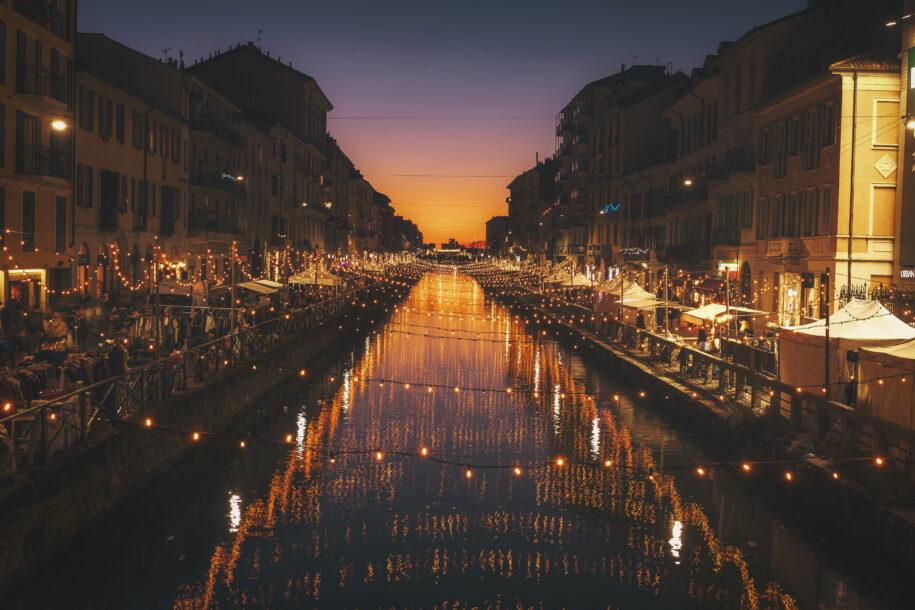
The Navigli district is one of the most recognizable areas in Milan: a neighborhood shaped by water, trade, and craft traditions, now known for its evening atmosphere, restaurants, galleries, and canalside walks. For travelers, Navigli is also a practical base—close to key public transport lines and within easy reach of the historic center—yet it works best when you plan your timing. Many people arrive before check-in or leave after check-out and want to spend a few hours here without carrying bags; it’s one of those parts of the city where walking is the point, so traveling light matters.
This guide focuses on what the Navigli are, how to get there, what to see and do (from aperitivo to shopping), and how to organize your route with map tips. It is written to be used on the go: scan the table of contents, open your map, and pick the canal, street, or activity that fits your schedule.
Table of contents
- Overview of the navigli in milan
- How to reach the navigli area
- Attractions and activities in the navigli district
- Accommodation and tours near navigli milan
- Domande frequenti
Overview of the navigli in milan
When people say “Navigli,” they often mean an entire zone that stretches around a few key waterways and streets, rather than a single canal. The district sits southwest of Milan’s historic core and revolves around a sequence of canalside paths, bridges, and piazzas that become particularly lively in the late afternoon and evening. During the day it’s calmer, better for photography, browsing small shops, or taking a slow walk along the water. The area feels compact, but it has distinct micro-neighborhoods: the immediate canal banks, the side streets filled with bars and independent stores, and nearby cultural sites that are often overlooked by first-time visitors.
What are the navigli milan canals?
The word navigli refers to navigable canals: engineered waterways designed for transport and connection. In today’s Milan, the best-known sections for visitors are Naviglio Grande and Naviglio Pavese, which meet around Darsena, the historical inner harbor area. You’ll notice that the banks are walkable and often lined with outdoor seating; bridges appear frequently, creating natural “viewpoints” for photos. The canals are not a theme-park reconstruction—what you see is an urban landscape where water is integrated into daily life: commuters cross it, residents jog along it, and in the evening it becomes a social corridor.
From a practical standpoint, it helps to think in routes rather than single spots. A common walk is: Porta Genova (near the metro) → along Naviglio Grande → Darsena → continue toward Naviglio Pavese if you want a quieter extension. If you have limited time, focus on the stretch between Porta Genova and Darsena; it gives you the most “Navigli” feel with minimal detours.
History of the navigli in milan
Milan’s canals were built over centuries as infrastructure for trade, agriculture, and urban development. Historically, they allowed goods to enter and circulate, connecting Milan to river systems and supporting construction projects. Over time, with changes in transport and city planning, many canal sections were covered or repurposed, while some remained visible and became part of the city’s identity. The Navigli district today is a mix of historical traces and modern uses: the water routes are older than most of the nightlife culture that now surrounds them, and understanding this timeline helps explain why the area has both a “village” rhythm and a metropolitan density.
When you walk along the canals, pay attention to the urban details: the alignment of buildings, the bridges, and the way streets curve around water rather than cutting straight through. Even without a guided tour, you can read the city’s past in the layout. If you want to go deeper, consider pairing a canalside walk with a museum stop or a short boat ride (more on that below) to connect history to what you see from the street level.
How to reach the navigli area
Navigli is easy to reach, but the best approach depends on your starting point and your goals: are you arriving from a train station, moving from the Duomo area, or heading here right before dinner? Milan’s public transport network makes it straightforward, yet it’s useful to plan around walking time—because once you’re on the canals, you’ll likely stay on foot. Also consider timing: weekends and evenings can be crowded, which can slow down the last part of your route if you rely on surface transport.
Navigli milan metro stops and transport
The most common gateway is Porta Genova, which puts you close to Naviglio Grande and within a short walk of Darsena. Depending on where you are staying, trams and buses can also drop you near the canals, sometimes with a more scenic ride but potentially slower in heavy traffic. If you’re comparing options or planning a wider day in the city, it can help to consult a local transport overview and neighborhood pointers such as the Milan city guide for transport and areas, then choose the stop that matches your intended canal walk.
If you’re arriving with luggage and want to avoid crowded sidewalks and narrow bridges, consider leaving bags before entering the canalside zone. Navigli is enjoyable precisely because you can drift between spots; carrying suitcases makes that harder, especially around aperitivo time when foot traffic increases.
Directions to navigli from milan city center
From the historic center, many travelers start near the Duomo and head southwest. The fastest choice is typically metro plus a short walk; the most pleasant is often tram, which can give you a sense of the city’s neighborhoods as they change from monumental center to residential streets. Your “best” route depends on what you want to do in Navigli: if you’re meeting friends for dinner, prioritize reliability and arrival time; if you’re exploring in daylight, you might prefer a slower route that lets you stop at smaller squares on the way.
To keep the plan simple, identify one anchor point—either Porta Genova or Darsena—and route to that. Then continue on foot along the water. For additional practical tips on moving around Milan and connecting key areas, the Milan transport and luggage solutions overview can help you match metro/tram choices to your schedule (for example, if you have a few hours between check-out and an evening train).
Navigli milan maps and google maps tips
Navigation is easy in the Navigli district, but small choices can improve your experience. First, save the key nodes before you arrive: Porta Genova, Darsena, and a couple of bridges on Naviglio Grande. These become your “return points” if you wander into side streets. Second, use map layers intentionally: switch to satellite view to understand the canal’s direction and the density of paths; it reduces the chance of taking a parallel street when you intended to walk along the water.
Also, keep in mind that “shortest route” is not always the best: canalside paths can be slower but more enjoyable, while interior streets may cut time if you’re aiming for a specific restaurant reservation. If you’re visiting on a busy evening, check live traffic for trams/buses and use walking-time estimates as a baseline, adding a buffer for crowds near Darsena.
Attractions and activities in the navigli district
Navigli works well as a flexible half-day: you can combine a walk, a coffee stop, a gallery visit, and then transition into aperitivo and dinner without relocating. The key is to decide whether your priority is food, culture, shopping, or nightlife—and then build your route so you’re not doubling back. Below are the core experiences most visitors look for, along with practical ways to approach them without turning the district into a checklist.
Best restaurants and cafes in navigli milan
Food in Navigli is less about a single “must-try” place and more about timing and style. In the late afternoon, the area is associated with aperitivo: ordering a drink often comes with snacks, and many venues offer a more structured buffet or small plates. The smart approach is to treat aperitivo as a light meal and then choose dinner based on what you actually still want—rather than committing to a heavy restaurant booking too early.
For coffee and daytime breaks, look for quieter stretches slightly away from the most crowded bridges. If you prefer a calmer atmosphere, consider scheduling your main sit-down meal on a weekday or earlier in the evening, then do a post-dinner walk along the water when the reflections and lighting change. A practical tip: if you have dietary constraints, save two or three options on your map before you arrive; on busy nights, you may need to be flexible with where you sit.
Shopping opportunities along the navigli
Shopping in Navigli leans toward independent retail: small fashion stores, design objects, bookshops, and galleries. The canalside streets and their side lanes reward wandering, but it helps to set expectations: this is not a single shopping mall experience; it’s a patchwork of niches. If you’re interested in craftsmanship or home items, keep an eye out for studios and small showrooms—often the most interesting places are not on the main canal path but one street back.
If your itinerary includes shopping, think about logistics. Purchases can become inconvenient if you plan to continue walking for hours or move across the city afterward. This is where planning around luggage and bags matters: many travelers prefer to keep the day unencumbered, then pick up belongings later before heading to the station or airport. In hospitality operations, this kind of “friction” (where a small inconvenience changes spending or satisfaction) is well known; it’s one reason accommodation providers focus on journey planning, tools, and guest communication. If you’re curious about how hotels structure these decisions behind the scenes, you can explore topics like CRM practices for hotels and B&Bs, which often connect directly to the guest experience in neighborhoods like Navigli.
Navigli milan nightlife and nightclubs
Navigli’s nightlife ranges from relaxed wine bars to louder venues and clubs, with the overall vibe changing by street and by day of the week. In general, the canalside area is best for a bar-to-bar evening and people-watching, while some late-night venues are a short walk away in adjacent streets. If you want an easy night, plan a sequence: start with aperitivo near the canal, move to dinner on a parallel street, and only then decide whether to continue to a busier spot. That keeps your options open and reduces the risk of standing in lines too early.
Practical safety and comfort tips are simple but useful: stick to well-lit routes along main streets when moving late, especially if you’re not familiar with Milan; keep an eye on personal items in crowded areas; and consider pre-booking taxis or rides if you’re returning late to a hotel outside the immediate Navigli zone. If you’re traveling in a group, set a meeting point near a recognizable bridge or square—signal can be inconsistent in dense crowds, and having a fixed fallback spot saves time.
Accommodation and tours near navigli milan
Staying near Navigli can be convenient if you like to end your day with a walk, a drink, or late dinner without commuting. At the same time, it’s worth matching accommodation choice to your sleep preferences and schedule: some streets are lively until late, particularly on weekends, while quieter options exist a few blocks away. Tours can add context, especially if you want to understand the canal system beyond its current social scene.
Hotels close to navigli milan
When choosing a hotel near Navigli, consider three filters: distance to the canal, distance to a metro stop, and nighttime noise. Being right on the canal is atmospheric, but you may trade quiet for proximity. If you plan early mornings (day trips, work commitments, flights), it can be smarter to stay slightly farther back while remaining walkable to Porta Genova or Darsena.
Also evaluate what matters to you operationally: a reliable reception schedule, luggage storage policies, and flexible check-in/out. Hotels and B&Bs often manage these constraints using systems and processes that aren’t visible to guests but impact the stay—for example, inventory updates and booking rules across multiple platforms. If you’re interested in how accommodations maintain consistency across channels (especially in busy areas like Navigli), the guide on channel management for hotels and B&Bs provides a useful overview.
Navigli canal boat tours and cruises
A short canal boat tour can be a good way to see the district from a different angle and understand how the waterways relate to the city’s layout. Availability and routes can be seasonal, and schedules may change, so it’s best to verify timing close to your travel date. In general, these tours work well as a daytime activity—either before dinner or as a mid-afternoon break—when you can still return to the canalside paths for walking afterward.
If you’re deciding between a boat tour and a self-guided walk, ask yourself what you value: a tour offers structure and context; a walk offers flexibility and the chance to stop spontaneously. Many travelers combine both: do a guided ride for orientation, then revisit a few spots on foot at sunset for photos and a more personal pace.
Domande frequenti
In what area of milan are the navigli located?
The Navigli district is located southwest of Milan’s historic center, in the wider area around Naviglio Grande, Naviglio Pavese, and Darsena. It is generally considered part of the city’s inner neighborhoods and is well connected by metro and surface transport. If you want a quick reference for common travel planning questions (including timing, logistics, and practical definitions), see the frequently asked questions section, which can help when you’re building an itinerary around check-in/out or transport connections.
How far are the navigli from milan’s duomo?
The Duomo area and Navigli are not far by Milan standards: the trip is typically manageable with public transport plus a short walk, or with a direct taxi/ride depending on traffic. Exact travel time varies based on your starting point, the specific canal area you’re heading to (Porta Genova vs Darsena), and time of day. For practical trip-planning and timing-related questions, the FAQ page is a useful place to clarify how services and schedules work when you’re moving between neighborhoods.
What is the history behind the navigli canals?
The canals originated as an infrastructure network developed over centuries to support transport, trade, and the movement of materials. While parts of the system were later covered as the city modernized, key stretches remained visible and gradually became central to the identity of the neighborhood that grew around them. Today, their history is reflected less in “monuments” and more in the city’s structure: the way streets follow the water, the placement of bridges, and the existence of Darsena as a historic harbor space. If you want more context during your visit, a guided tour—on foot or by boat—can connect the engineering and economic story to what you’re seeing in real time.
What are the top sights to see at navigli milan?
The most recognizable sights are the canals themselves—especially the stretch of Naviglio Grande between Porta Genova and Darsena—plus the harbor area at Darsena, which is a natural meeting point. Beyond that, the “top sights” depend on your interests: some visitors prioritize galleries and design shops in the side streets; others come for aperitivo culture and evening ambience; others simply want a scenic walk and photos from the bridges. A practical approach is to pick two anchors (for example, Porta Genova and Darsena), walk the canal in between, and then spend time exploring one side street cluster rather than trying to cover everything.
Which metro stops serve the navigli district?
Porta Genova is widely used as the main metro access point for Naviglio Grande, with Darsena reachable on foot from there. Depending on your exact destination, other stops and tram lines may also be useful, especially if you’re approaching from different parts of the city. For a broader look at Milan neighborhoods and how to connect them efficiently—particularly if you are planning around arrivals, departures, or a tight schedule—reference the Milan area guide.
Navigli is one of those Milan districts that rewards pacing: arrive with a clear starting point, walk with curiosity, and leave space for unplanned stops—an interesting storefront, a quieter bridge, a café table that opens up just as you pass. If you structure the day around one simple route and keep your hands free for exploring, the canals become not only a place to visit but a way to experience the city’s rhythm.
Leave a Reply