
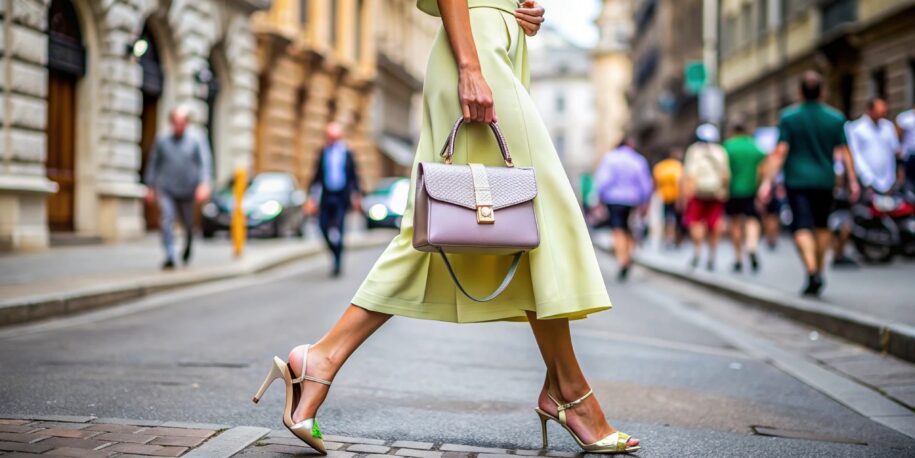
Often referred to as the Quadrilatero della Moda (Fashion Quadrilateral), Milan’s fashion district is a compact, highly walkable area in the historic center where many Italian and international luxury brands concentrate their flagship boutiques, showrooms, and multi-brand spaces. For travelers, it’s more than “just shopping”: it’s a practical gateway to understanding Milan’s identity as a design-and-industry city, where craft, manufacturing, and contemporary lifestyle meet. The district sits between major cultural landmarks and key transport nodes, so it fits naturally into a day that mixes museums, architecture, cafés, and a few carefully planned purchases.
This guide is designed to be actionable: you’ll find maps and street references, a clear explanation of the ZTL (restricted traffic zone), a curated approach to stores and buying categories, and a set of nearby attractions that let you build an itinerary without unnecessary backtracking. Where details depend on changing conditions—like temporary street regulations, shop openings, or event-related access—this article points you toward the right sources and methods rather than guessing or inventing specifics.
Table of contents
- Map of the Milan fashion district
- Shops and shopping in the Milan fashion district
- Milan fashion museum and nearby attractions
- Administrative aspects of the Quadrilatero della Moda
- How to choose the best shops in the Milan fashion district
- Domande frequenti
Map of the Milan fashion district
Planning your route is the single biggest difference between a pleasant, focused visit and a tiring loop of crowded sidewalks. The fashion district is dense, and many addresses are close enough that your phone may “snap” you to the wrong side of a block—especially around intersections with arcades and narrow streets. A good map strategy is to identify: (1) your arrival point (Duomo, San Babila, Montenapoleone M1/M3, or nearby), (2) two or three priority streets, and (3) one or two nearby stops (a museum, a café, or a landmark) to break the day into segments.
Quadrilatero della Moda map and main shopping streets
The Quadrilatero della Moda is commonly described by four boundary streets: Via Montenapoleone, Via della Spiga, Via Sant’Andrea, and Via Manzoni. Inside and just outside these edges, you’ll also encounter complementary addresses that matter in practice: Corso Venezia (on the northeastern side), the area around Piazza San Babila, and the direct corridor toward the Duomo and the Galleria. In map terms, think of the Quadrilatero as a set of short blocks: you won’t “do it all” by walking straight; you’ll stitch together micro-routes between a few streets and courtyards.
If you’re mapping manually, pin at least these anchors: Montenapoleone metro station (M3), Via della Spiga (pedestrian-friendly), and Via Manzoni as a connective street with several entrances to adjacent lanes. From there, you can add one or two brand flagships or multi-brand destinations (department stores and concept stores) as waypoints and let your navigation app guide you between them.
ZTL area in the Quadrilatero della Moda
One reason the area feels unusually walkable is that parts of central Milan operate with access restrictions for vehicles. The ZTL (Zona a Traffico Limitato) is a regulated zone where entry is controlled by rules, time windows, permits, and enforcement systems. These regulations can affect taxis, private cars, rental cars, and delivery vehicles. Even if you’re not driving, it matters because it changes street flow, pick-up and drop-off feasibility, and the convenience of moving purchases back to your accommodation.
In practical terms: if you plan to reach the district by car, confirm whether your route crosses a restricted zone and whether your accommodation (hotel/B&B) offers any authorized access or guidance. If you plan to use a taxi or ride-hailing service, expect that the driver may choose specific drop-off points just outside the most restricted streets. And if you’re combining shopping with other visits across the city, the fastest approach is often metro-plus-walk, rather than relying on surface traffic in the center.
Map of famous shopping streets in Milan
Milan’s shopping scene extends well beyond the Quadrilatero, and your map should reflect your travel style. If luxury flagships are your priority, the Quadrilatero is central. If you want a broader mix—high-street fashion, department stores, or contemporary multi-brand—then your “shopping map” should include: the Duomo area and the Galleria Vittorio Emanuele II corridor, Corso Vittorio Emanuele II, and other central streets that connect seamlessly to sightseeing. This is also how you avoid the common pitfall of spending half a day walking between clusters without a plan: group destinations by adjacency and add a cultural stop every 60–90 minutes.
If you’re arriving in Milan for a day trip, use a city-level map first (stations, metro lines, key landmarks) and only then zoom into the fashion district block-by-block. That zoom order reduces navigation errors and makes timing more realistic.
Shops and shopping in the Milan fashion district
Shopping in the Quadrilatero is best approached as a curated experience, not an open-ended browse. The density of boutiques and the concentration of luxury price points can make the area feel uniform at first glance. In reality, the district contains different “micro-identities”: heritage Italian houses, international luxury groups, accessory specialists, eyewear and jewelry ateliers, and spaces focused on design objects rather than apparel. Your best outcomes will come from deciding upfront what you want to buy, how much time you want to spend, and what kind of service you expect (quick purchase vs. appointment-style assistance).
List of top shops in Quadrilatero della Moda
Because store line-ups change and “top” can mean different things (brand prestige, service quality, selection breadth, or suitability for travelers), it’s more reliable to think in categories rather than a fixed ranking. In the Quadrilatero you typically find:
- Flagship boutiques of Italian luxury brands (often showcasing the widest in-season selection and brand identity).
- International luxury flagships with consistent global service standards and accessory availability.
- Multi-brand concept stores where you can compare labels, silhouettes, and price tiers more efficiently.
- Jewelry and watches specialists where appointments may improve the experience, especially for high-value items.
- Footwear and leather goods stores where sizing, fit, and aftercare policies matter—particularly if you’re traveling onward.
A practical tip for travelers: before visiting, check whether the store offers tax-free shopping procedures (if applicable to your residency and travel route) and what documentation you need. Policies are subject to legal and operational constraints, so use official store guidance rather than third-party assumptions.
Best shopping district and main shopping area in Milan
Is the Quadrilatero the “best” shopping district in Milan? It’s the most concentrated area for luxury, but “best” depends on what you value. If you want the iconic Milan fashion experience—historic streets, window displays, and brand storytelling in a compact zone—then the Quadrilatero delivers. If you want variety across budgets or you’re shopping with teenagers, a broader central route that includes the Duomo corridor and high-street arteries can be more satisfying.
For many visitors, the optimal plan is a hybrid itinerary: start with one or two priority boutiques in Via Montenapoleone or Via della Spiga, then shift toward the Galleria and nearby streets for a more diverse mix. This approach also helps you manage energy and crowding: early hours are often calmer in the Quadrilatero, while mid-afternoon can become dense, especially on weekends and during major events.
Top 10 things to buy in Milan fashion district
The best purchases are those that combine personal taste with practical travel considerations—weight, fragility, and the reality of packing. Here are ten categories that often make sense for travelers in the Milan fashion district, with a focus on items that are “Milan-relevant” and manageable to carry:
- Leather accessories (wallets, small goods, belts): high utility and relatively easy to pack.
- Handbags: a core category in luxury flagships; consider how you’ll protect shape during travel.
- Footwear: plan for fitting time and remember that walking the city in new shoes may be uncomfortable.
- Outerwear: a statement category, but bulky—evaluate how you’ll transport it if you’re moving between cities.
- Eyewear: compact, often easier for quick purchases, with immediate “travel value.”
- Silk items (scarves, ties): lightweight, gift-friendly, and less risky for sizing.
- Fine jewelry: requires careful consideration of insurance, documentation, and secure transport.
- Watches: comparable to jewelry in planning needs; check warranty and service conditions.
- Design objects (select décor, small homeware): a way to bring home Milan’s design culture without buying clothing.
- Fragrances: travel-friendly if packed correctly; verify airline liquid rules and keep receipts.
To make these categories work in practice, schedule a “logistics moment” in your plan: a stop at your accommodation or a luggage arrangement between shopping and your next activity can make the day far more comfortable.
Milan fashion museum and nearby attractions
Milan’s fashion identity is closely connected to design, publishing, and industrial entrepreneurship. Even if your primary goal is shopping, a museum stop can add context: how Italian fashion evolved, how tailoring relates to art and social history, and why Milan became the country’s commercial fashion capital. The best approach is to pair one fashion-related venue with one or two nearby architectural landmarks, building a route that alternates indoor and outdoor time.
Fashion-related museums in Milan
When people search for a “Milan fashion museum,” they’re often looking for a place that offers fashion history, exhibitions, and archives. In Milan, fashion content is frequently presented through temporary exhibitions, foundation spaces, and design-oriented institutions that sometimes host fashion-related programming. Because exhibition calendars change, the reliable method is: decide what theme you care about (historic fashion, contemporary design, photography, textile craft), then check the official websites of museums and foundations for current shows, dates, and ticketing rules.
If your itinerary is short, prioritize venues that are geographically close to the Quadrilatero so you don’t lose time in transit. Also consider that some exhibitions require time-slot booking, especially during peak tourist seasons and major city events.
Nearby points of interest: Navigli, Basilica di Sant’Ambrogio, Bosco Verticale, Porta Nuova, Galleria Vittorio Emanuele II
One of the advantages of the fashion district’s location is how easily it connects to major attractions. Here’s how to think about these nearby points of interest, without forcing them into a single unrealistic loop:
- Galleria Vittorio Emanuele II: the most natural add-on, a short walk from the fashion streets and a cornerstone of central Milan architecture. Ideal for a quick pass-through, coffee, or simply to experience the city’s historic retail environment.
- Basilica di Sant’Ambrogio: a deeper cultural contrast to shopping—Romanesque architecture and a quieter atmosphere. Best reached via metro or a longer walk, depending on your pace.
- Navigli: better framed as an evening destination for canalside walks and dining rather than a mid-day detour; plan it as a separate segment after shopping.
- Porta Nuova and Bosco Verticale: a modern Milan counterpoint with contemporary skyline views. It pairs well with design-focused travelers and those who enjoy photography and urban regeneration themes.
A smart itinerary example: morning in the Quadrilatero (lighter crowds), late morning/early afternoon via the Galleria and Duomo area, then a modern architecture stop in Porta Nuova before heading to Navigli for the evening—minimizing backtracking and making transport simple.
Administrative aspects of the Quadrilatero della Moda
Visitors often underestimate how much the experience of central Milan is shaped by administration: pedestrian management, street maintenance, event permits, traffic restrictions, and public transport planning. These factors influence not only comfort but also practical issues like where you can be picked up, whether certain streets are temporarily inaccessible, and how long it takes to cross the center at different times of day.
Role of Comune di Milano in the Quadrilatero della Moda
The Comune di Milano is the local authority responsible for many aspects that directly affect the Quadrilatero’s day-to-day functioning: regulation of traffic-restricted areas (ZTL), oversight of public spaces, signage, and coordination around city events. For travelers, the key takeaway is methodological: if something impacts access (temporary restrictions, public works, special event road closures), the most reliable information will come from official municipal communications, transport authorities, and clearly identified notices on-site.
This is especially relevant during periods when Milan hosts major fairs and fashion-related events, when the city center can experience higher footfall and additional control measures. Rather than relying on assumptions, confirm logistics the same day you visit—particularly if you have time-sensitive plans such as a museum booking or a train departure.
Opening hours and currently open shops
Opening hours in the fashion district vary by brand, season, and day of the week. In addition, extraordinary closures can occur for private events, refitting, or holidays. The most accurate way to confirm “currently open” status is to check the official store page (or verified business listings), then cross-check with your navigation app shortly before you go. If you’re visiting multiple boutiques, create a shortlist and verify hours in one batch to avoid zig-zagging between closed doors.
From a traveler’s perspective, also factor in service dynamics: certain categories (e.g., watches or high jewelry) may require more time, identification checks, or appointment-like interactions. If you have a limited window, schedule those visits first and treat casual browsing as flexible.
How to choose the best shops in the Milan fashion district
“Best shop” is not a universal label: it changes based on what you need (size availability, language support, after-sales service, in-store experience, or the ability to handle tax-free procedures). A structured way to choose is to define your constraints—time, budget range, and what you’re willing to carry—and then let reviews and mapping do the rest. This reduces decision fatigue in an area where every storefront competes for your attention.
Shops with the highest ratings
Ratings can be useful, but only if you interpret them correctly. In luxury retail, reviews may reflect factors unrelated to product quality—crowding, queue management, or expectations about service style. Use ratings as a screening tool, not as a final decision-maker: look for patterns in recent reviews (language support, returns policy clarity, wait times), and prefer stores where commenters describe concrete experiences rather than generic praise or frustration.
For the best signal, compare feedback across multiple sources (maps platforms, official brand channels, and travel forums) and check the date. A store’s experience can change after renovation, staff rotation, or policy updates. If you’re buying something size-sensitive, prioritize places where reviews mention fitting support and transparent exchanges.
Navigating the district efficiently with a map
Efficiency in the Quadrilatero is about minimizing stop-and-go and avoiding repeated crossings of the same blocks. A simple framework:
- Cluster by street: group your targets into “Via Montenapoleone loop,” “Via della Spiga corridor,” and “Via Manzoni connectors.”
- Set time boxes: for example, 60–90 minutes for priority purchases, then a 20-minute buffer for unexpected queues.
- Choose one landmark anchor: Duomo/Galleria for classic central Milan, or Porta Nuova for contemporary architecture, and build outward.
Also consider what happens after shopping. If you’re carrying multiple bags, your speed drops and your comfort declines—especially in crowded areas. Many travelers benefit from planning a mid-day reset (return to accommodation or arrange bag management) before heading to museums or evening neighborhoods. If you’re organizing your day around luggage constraints, you can consult Baggysitter’s Milan city page for practical orientation and local context: reliable Milan travel planning and luggage solutions.
Domande frequenti
What are the main shopping streets in the Milan fashion district?
The core streets most commonly associated with the Quadrilatero della Moda are Via Montenapoleone, Via della Spiga, Via Sant’Andrea, and Via Manzoni. In practice, visitors also include adjacent areas such as Corso Venezia and the broader central corridor toward the Duomo and the Galleria Vittorio Emanuele II, because they connect seamlessly to sightseeing and offer additional retail density.
How does the ZTL affect access to the Quadrilatero della Moda?
The ZTL (restricted traffic zone) can limit or regulate vehicle access depending on time, permits, and local rules. For travelers, the impact is mainly on drop-off/pick-up points and the feasibility of driving into the most central streets. If you rely on taxis or private cars, plan for potential alternative drop-off areas and use metro-plus-walk for predictable travel times. If you’re staying at a hotel in the center, ask the property how access rules apply to arrivals and departures.
Which museums are related to fashion in Milan?
Milan often presents fashion content through temporary exhibitions, foundation spaces, and design-oriented institutions that may host fashion, photography, or costume-related programming. Since schedules and venues change, the most reliable approach is to check official museum and foundation calendars close to your visit and select an exhibition based on your interests (fashion history, contemporary design, textile craft, or fashion imagery).
What other famous attractions are near the Milan fashion district?
Very close to the fashion district you’ll find the Galleria Vittorio Emanuele II and the broader Duomo area. With a short metro ride (or a longer walk depending on your pace) you can reach the Basilica di Sant’Ambrogio. For a different atmosphere, plan Navigli for the evening. If you’re interested in contemporary Milan, Porta Nuova and the Bosco Verticale area offer modern architecture and skyline viewpoints.
Where can I find a reliable map of the Milan fashion district?
A reliable starting point is a city-focused reference that helps you orient yourself before zooming into individual streets. For practical planning—especially if you want to connect the fashion district with transport, neighborhoods, and day routes—you can use the dedicated Milan resource here: Milan maps and local guidance. From there, refine your plan with your preferred navigation app by pinning the four core streets and the boutiques you want to visit.
If you’re visiting as part of a broader Italy itinerary and you’re also comparing different accommodation strategies (hotels, B&Bs, or managed apartments), it can be useful to understand how distribution and booking choices shape availability and pricing. For a hospitality-industry perspective—relevant if you travel often or work with tourism operators—see Baggysitter’s analysis on how OTAs affect visibility, rankings, and profitability. It’s not required to enjoy the Quadrilatero, but it adds context to how central neighborhoods and peak dates influence your options.
Leave a Reply