
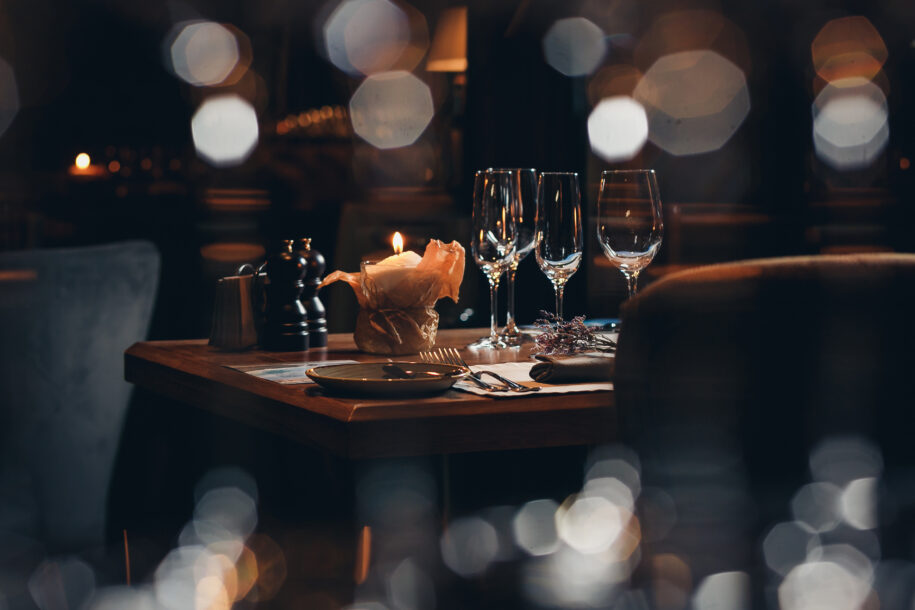
Milan is often described through fashion, design, and business, yet its food culture is just as distinctive—rooted in Lombardy’s fertile plains, dairy traditions, and a preference for comforting, technique-driven dishes. Typical Milanese food is not “Italian food in general”: it has its own flavor palette (butter more than olive oil, rice more than pasta, slow braises over quick sauces), its own rituals (aperitivo, Sunday lunches), and a strong connection to seasonality and local produce. For travelers, understanding what makes these dishes “Milanese” helps you choose better restaurants, order confidently, and recognize what’s authentic versus what’s simply generic.
This guide focuses on the iconic dishes you should know, where to eat them in Milan, what to buy as edible souvenirs, and practical tips for experiencing the city’s cuisine without wasting time (or appetite). If you’re planning a full day of food stops—markets, trattorias, pastry shops—consider organizing your itinerary so you can move freely between neighborhoods. The Milan luggage storage and delivery options can be useful if you arrive before check-in or want to keep exploring after checkout.
Table of contents
- Iconic dishes of typical Milanese food
- Where to eat typical Milanese food in Milan
- Typical Milanese food as gifts and souvenirs
- Tips for food lovers traveling to Milan
- Domande frequenti
Iconic dishes of typical Milanese food
Classic Milanese cooking reflects a geography that historically favored cattle farming, dairy, and rice fields. That’s why you’ll find butter, cheese, and long-cooked meats appearing again and again. The city’s signature recipes also tend to be built around a few strong ideas: clear flavors, careful browning, controlled heat, and an emphasis on texture—crispy crusts, creamy rice, gelatin-rich braises. Below are the dishes that most reliably represent typical Milanese food, along with what to look for when ordering them.
Risotto alla milanese: the saffron rice classic
Risotto alla milanese is the dish many visitors associate with the city, and for good reason: it’s both simple and technically demanding. The “Milanese” identity here comes from the ingredients (Carnaroli or Arborio rice, saffron, butter, often beef bone marrow) and from the method—slowly building creaminess through gradual additions of broth and constant attention to starch release. A well-made risotto should be all’onda, meaning it flows gently when shaken in the pan: not watery, not a stiff mound. The color should be a warm golden yellow, not neon, and the saffron aroma should feel integrated rather than perfumey.
Many trattorias serve it as a standalone first course, but it’s also traditionally paired with ossobuco (more on that below). If you see “risotto giallo” on a menu, it can be a simplified version; “risotto alla milanese” usually signals the classic profile. If you want to taste the dish at its best, choose a place that prepares it to order rather than holding a batch—risotto doesn’t improve while waiting.
Cotoletta alla milanese: Milan’s famous breaded veal
Cotoletta alla milanese looks familiar—breaded cutlet, pan-fried—but the details matter. Traditionally it’s veal, bone-in, and relatively thick; the breading is simple (often just egg and breadcrumbs) and the cooking is done in clarified butter so the crust develops a deep, even golden color. In many modern restaurants you’ll also find thinner, larger versions (sometimes called “orecchia d’elefante”), which prioritize crispness and size. Both can be good, but they are not the same experience.
When done well, cotoletta offers a clean, buttery crunch with tender meat inside. Common accompaniments are minimal: a side salad, roasted potatoes, or a wedge of lemon. Be cautious with versions that arrive drenched in sauce or heavily topped—those can be tasty, but they shift the dish away from its Milanese identity. If you’re traveling with children or picky eaters, cotoletta is often an easy win: it’s recognizable yet still deeply local in technique.
Ossobuco: slow-cooked veal shanks
Ossobuco is a classic braise made from cross-cut veal shanks, prized for the marrow in the center of the bone and for the collagen that melts into a silky sauce. In Milanese tradition, ossobuco is cooked slowly with aromatics and broth until the meat becomes fork-tender but still holds its shape. The defining finish is gremolada—a fresh mix typically built around lemon zest and parsley (sometimes with garlic), added at the end to cut through richness with brightness.
What should you expect on the plate? A sauce that tastes deeply of meat without being heavy or overly sweet, plus that contrast between the tender shank and the fresh gremolada. The marrow is not just a curiosity: it’s part of the dish’s intended pleasure, especially when paired with risotto alla milanese. If you’re not used to braised veal, this is an ideal introduction because the flavors are direct and the texture is forgiving.
Other traditional Milanese dishes to try
Beyond the headline dishes, Milan has a broader repertoire that rewards curiosity—especially if you’re staying more than a weekend. Depending on the season and the restaurant’s style, keep an eye out for these staples:
- Mondeghili: Milanese meatballs traditionally made with leftover boiled meat, bread, and aromatics, then fried. They’re a smart way to understand “cucina di recupero” (resourceful cooking) in a refined form.
- Polenta: more common across Northern Italy, but frequently paired in Milan with braises, stews, or melted cheeses; it’s especially satisfying in colder months.
- Cassoeula: a winter dish built around pork and Savoy cabbage, slow-cooked; you’ll mainly find it seasonally. Its identity is strongly tied to cold-weather tradition.
- Barbajada and Milanese pastry culture: Milan’s café tradition includes rich hot drinks and an array of pastries; even if you’re focused on savory food, it’s worth budgeting appetite for a pastry stop.
A practical note: Milan’s menus often change with seasonality, and some dishes (especially heavy braises) may appear more in autumn and winter. If you’re visiting in summer, you’ll likely still find risotto and cotoletta, while other classics may be offered as specials rather than permanent items.
Where to eat typical Milanese food in Milan
Milan’s dining landscape is broad: elegant historic restaurants, neighborhood trattorias, contemporary bistros, and places aimed primarily at tourists. The best strategy is to decide what kind of experience you want—classic atmosphere versus modern reinterpretation, quiet lunch versus lively dinner—then choose a restaurant whose style matches the dish you’re craving. Because many visitors move around the city between sights (Duomo, Brera, Navigli, Porta Romana), it also helps to plan meals geographically. For logistics—especially if you’re arriving on an early train or have a late flight—having a base in the city via Baggysitter’s services in Milan can make it easier to go straight from sightseeing to dinner without managing suitcases.
Osteria dell’acquabella
Osteria dell’acquabella is often mentioned among traditional addresses for Milanese classics. Places in this category typically focus on recognizable recipes served with consistency, making them a solid choice if your priority is “first-time” dishes like risotto alla milanese, ossobuco, or cotoletta. When choosing a restaurant like this, consider booking ahead for dinner hours—Milan can be busy on weekdays due to business travel, not only on weekends. If you’re building an itinerary that includes multiple food stops in one day, organizing your movement across neighborhoods (and traveling light) helps; the local luggage storage solutions in Milan can support that kind of schedule.
Antica trattoria della pesa
Antica Trattoria della Pesa is another name associated with classic Milanese dining. In general, “antica trattoria” venues tend to provide a traditional setting where dishes are anchored in regional identity rather than trend-driven menus. That makes them particularly suitable for ordering the “canonical” versions of dishes: simple starters, a risotto or fresh pasta, then a meat main like ossobuco or cotoletta. If you want to compare interpretations across restaurants, try the same dish twice in different places—Milanese cooking is often about subtle differences in technique (browning, broth strength, resting time) more than dramatic ingredient changes.
For travelers coordinating check-in/check-out times with lunch reservations, consider the practicality of being hands-free: luggage pickup and delivery in Milan can be helpful if you’re heading from the station to a long lunch before accessing your accommodation.
Al garghet and local favorites
Al Garghet is frequently cited among “local favorites,” and restaurants in this group often sit a little outside the most tourist-heavy core or offer an experience that feels more personal—whether that’s through atmosphere, service style, or a menu that balances tradition with house specialties. When seeking local favorites, pay attention to a few signals: a menu that clearly identifies regional dishes, a wine list that includes Lombardy (look for Franciacorta or Valtellina), and seasonal specials rather than an overly broad, all-purpose selection.
Because reaching some of these places may involve taxis, trams, or longer walks, it’s useful to plan the day’s pacing: aperitivo in one district, dinner elsewhere, and dessert back near your hotel. If you’re moving across the city between bookings, the Milan city storage and delivery services can reduce friction—particularly on travel days when you want to prioritize experiences over logistics.
Affordable Milanese restaurants for typical food
Eating typical Milanese food doesn’t have to be an expensive, formal experience. Many travelers can find good, honest versions of classic dishes at neighborhood trattorias, lunch-focused spots, or places that offer set menus during weekdays. A practical approach is to aim for lunch for value: portions are often generous, and set menus can include a first course and a main at a lower price than à la carte dinner. Another tactic is to choose one “splurge” dish (say, ossobuco) and keep the rest simple (starter plus a shared dessert), rather than ordering the full spread at a high-end venue.
Also consider that cotoletta can be large; sharing is common and can help keep your budget balanced while still tasting the classic. If you’re planning a day that includes both sightseeing and a budget-friendly lunch, being unencumbered matters—especially around crowded transport hubs—so it can be useful to have a plan for bags via Baggysitter in Milan.
Typical Milanese food as gifts and souvenirs
Food gifts are one of the most meaningful souvenirs from Milan because they travel well and capture the city’s identity in a practical form. The key is to choose items that are either shelf-stable or easy to pack, and to think about who will receive them: someone who enjoys sweet treats, a home cook, or a wine lover. Also keep in mind airline rules for liquids and fresh products if you’re flying—especially for items like creams, liqueurs, or vacuum-packed meats. When in doubt, dry goods and boxed pastries are the safest.
Food items representative of Milanese traditions
Some products are strongly associated with Milan and Lombardy, either because they originated here or because they’re deeply embedded in local habits. Consider these options:
- Panettone: while commonly linked to Christmas, good panettone can be found year-round in many artisan bakeries. It’s one of the most recognizable Milanese gifts.
- Saffron: a natural souvenir if risotto alla milanese impressed you. Choose reputable shops and prefer clearly labeled, sealed saffron threads.
- Riso Carnaroli: Lombardy is rice country, and Carnaroli is a classic choice for creamy risotti.
- Grana Padano and Lombardy cheeses: feasible if you can transport them properly; many shops vacuum-pack cheese for travel.
- Local wines: Franciacorta (sparkling) and Valtellina reds are a thoughtful option for wine lovers—just check baggage allowances.
If you’re buying edible souvenirs mid-trip, think about storage: pastries and dry goods are easiest to carry around the city, while cheese and wine might require you to return to your accommodation soon. Planning purchases near the end of the day can prevent heat exposure and accidental crushing in a day bag.
Where to buy typical Milanese food specialties
For shopping, prioritize places with clear product information and good turnover. In practical terms, that often means well-regarded pastry shops for panettone and baked goods, specialized food stores for saffron and rice, and established delis for cheese and cured products. Markets can be excellent for discovering local items, but they require more attention to packaging and transport.
If you are staying in a hotel or short-term rental, ask whether they can help with refrigeration for a few hours or provide advice on packing. From a hospitality perspective, these small services are part of the broader guest experience—one reason many accommodations invest in operational tools and processes. If you’re curious about how hotels manage availability, pricing, and guest requests behind the scenes, it can be useful to understand what a Property Management System (PMS) is in hotels and B&Bs and how it supports day-to-day operations.
Tips for food lovers traveling to Milan
Milan rewards travelers who plan meals with the same care they plan museums or shopping: timing matters, neighborhoods matter, and small cultural details (like aperitivo etiquette) can shape the experience. A few practical principles: book popular restaurants ahead when possible, consider lunch as a value-driven way to try classics, and build in time for café stops—Milan’s pastry and coffee culture is part of the local identity. If your trip involves arrival/departure on the same day as major sightseeing, think about the “in-between” hours when you don’t have a room; the Milan page on Baggysitter is a useful reference for staying mobile between reservations.
What to eat in Milan beyond typical dishes
Once you’ve checked off risotto, cotoletta, and ossobuco, the next step is to explore the city’s broader food life. Milan is a modern metropolis with a strong international scene, but you can still keep a local lens by focusing on formats and habits rather than only “iconic” recipes. For example, explore:
- Aperitivo: not just drinks—many places offer a structured snack component that can be light or substantial depending on venue and day.
- Seasonal menus: look for mushrooms, pumpkin, game, and hearty braises in autumn; lighter vegetable-forward dishes in spring.
- Cafés and pastry shops: try a classic pastry with espresso at the counter for an everyday Milanese rhythm.
For travelers, a good rule is to alternate “anchor meals” (one classic dish you specifically came for) with exploratory meals (markets, small plates, bakery hops). That approach keeps your trip varied and reduces the risk of eating the same profile repeatedly.
Is Milan expensive for dining out?
Milan can feel expensive compared to many Italian cities, but the cost depends heavily on neighborhood, restaurant type, and timing. Business districts and trend-focused areas often have higher prices, especially at dinner. On the other hand, lunchtime menus, neighborhood trattorias away from the most central streets, and simple dishes can keep costs reasonable. Another factor is beverage choices: wine by the glass and cocktails can move the total quickly, while house wine and water keep things more controlled.
To manage spending without compromising authenticity, choose one meal where you invest in a classic dish in a traditional setting, and balance it with simpler meals. Also remember that value isn’t only about price; it’s about how well a restaurant executes a dish that requires technique. Paying slightly more for an excellent risotto cooked to order can be a better use of budget than paying less for a pre-cooked version that misses the point.
How to experience authentic Milanese cuisine
Authenticity in Milanese cuisine is less about “secret places” and more about informed choices. Start by reading menus with attention: do they use regional names correctly? Do they indicate seasonal availability? Are the classics presented in a way that respects their identity (for example, cotoletta not drowned in sauce, risotto not treated like a generic rice side)? Then observe the dining rhythm: many traditional places have a calm, structured service, and classic recipes often take time.
Finally, authenticity is also logistical. Milan is a city of movement—arrivals from airports, train stations, meetings, exhibitions. If you want to experience the city at table without stress, plan your day so you’re not rushing from check-out to a reservation with bags in tow. Using a service like Baggysitter’s luggage storage and delivery in Milan can help you keep your focus on neighborhoods and meals rather than on where to leave your suitcase for a few hours.
Domande frequenti
If you’re organizing your first food-focused trip, these are the questions that come up most often. For broader help on how services work when traveling (timings, drop-off, delivery, and practicalities), you can also consult the Baggysitter FAQ page.
What is typical Milanese food?
Typical Milanese food refers to dishes and culinary habits rooted in Milan and the surrounding Lombardy region. It often features rice (risotto), butter and cheese (rather than olive oil-based cooking), and slow-cooked meats. Signature examples include risotto alla milanese, cotoletta alla milanese, and ossobuco. If you want a quick reference for practical travel questions connected to planning (including logistics between meals), see the frequently asked questions section.
What is Milan’s most famous dish?
Many would point to risotto alla milanese as the most famous Milanese dish internationally, thanks to its distinctive saffron color and its central role in Lombard cuisine. In restaurants, it’s also one of the clearest “tell” dishes: when it’s executed well, it signals a kitchen that respects technique. For more travel-related clarifications that may help you plan your day around meals, the FAQ resource can be useful.
What makes food Milanese?
Food becomes “Milanese” through a combination of place, ingredients, and method. Historically, Milan relied on dairy farming and rice cultivation, which shaped a cuisine rich in butter, cheeses, and risotti. The cooking style often emphasizes browning, slow simmering, and clean, direct flavors rather than complex layering of spices. The cultural context matters too: aperitivo and the city’s café tradition are part of how locals eat, not only what they eat. If you need practical travel support information alongside planning, consult the FAQ page.
What is Milanese cuisine known for?
Milanese cuisine is known for a small set of iconic dishes executed with precision: saffron risotto, breaded veal cutlet, and braised veal shanks often finished with gremolada. It’s also known for hearty seasonal cooking (especially in colder months) and for a pastry and café culture that fits Milan’s fast-paced daily life. If you’re coordinating logistics around meals and check-in times, you may find useful practical answers in the frequently asked questions.
Where can I find affordable typical Milanese food in Milan?
Affordable Milanese food is most commonly found at neighborhood trattorias, weekday lunch menus, and simple venues that focus on a limited selection of classics. Look for places where locals eat at lunchtime, avoid overly touristic menus near major attractions, and consider sharing large mains like cotoletta. If you’re planning a food itinerary across multiple areas of the city and want to stay flexible on travel day, review the FAQ for practical details and the Milan service page for city-specific options.
Milan’s best food experiences tend to come from small, informed choices: ordering one classic dish done properly, paying attention to seasonality, and building your day around neighborhoods rather than rushing across the city. With a clear plan for what to eat and where, you can treat typical Milanese cuisine as part of the city’s cultural visit—not a separate “food task”—and enjoy it at a pace that feels natural.
Leave a Reply