
Milan is one of those cities that can feel “obvious” and “misunderstood” at the same time. It’s obvious because it’s famous—fashion weeks, design, the Duomo, La Scala, big brands, business travel. It’s misunderstood because many visitors expect a compact, postcard-perfect Italian city and then judge it by the wrong criteria. Milan is not a museum town built around a single historic center; it’s a modern European metropolis with layers: Roman and medieval traces, Renaissance masterpieces, 19th-century grandeur, post-war architecture, and a living contemporary culture that Italians themselves come here to experience.
So, is Milan worth visiting? For most travelers, yes—if you approach it for what it is: a city of art and everyday life, of neighborhoods rather than only monuments, of aperitivo culture and efficient transit, with easy connections to lakes, mountains, and other Northern Italian destinations. If your trip is limited, Milan can still be “worth it” as a one-day stop between cities, especially thanks to its rail links and the fact that several top sights are close together. The key is planning: choosing the right season, timing your visits (especially for high-demand attractions), and organizing practical details like baggage on arrival and departure days so you can actually enjoy the city.
Table of contents
- When is the best time to visit Milan?
- Is Milan suitable for different types of visitors?
- What to do and places to visit in Milan
- How expensive is it to visit Milan?
- What do others say about visiting Milan?
- Domande frequenti
When is the best time to visit Milan?
There isn’t a single “best” month for everyone because Milan’s appeal changes with the calendar. Spring and early autumn usually offer the most comfortable balance: mild temperatures, long enough daylight for walking, and a city rhythm that feels lively without the extremes of summer heat or winter damp. That said, Milan is a working city, and its events—fashion weeks, design fairs, major concerts, football matches—can make some periods much more crowded and expensive than you might expect from weather alone.
To choose well, think in terms of your priorities: walking outdoors vs. museum-heavy days, budget sensitivity, tolerance for rain and fog, and the kind of atmosphere you want. Autumn brings a refined, “local” feel with cultural programming; winter can be charming if you enjoy indoor highlights and seasonal lights; early-year months often mean better accommodation availability, but you’ll want to plan around shorter days and colder evenings.
Is Milan worth visiting in October?
October is often one of the easiest months to recommend because Milan feels fully “on” again after summer. The city’s cultural calendar is active, restaurants and neighborhood life are vibrant, and walking is generally comfortable. It’s a good time for a balanced itinerary: you can spend mornings in major sights and afternoons exploring districts like Brera or Navigli without feeling rushed by early darkness.
What to watch for: October can be rainier than late summer, so it helps to have a plan that mixes indoor and outdoor stops—think a museum or church visit paired with a neighborhood stroll. If you’re into design, contemporary exhibitions, or the city’s creative industries, October’s energy can be particularly satisfying because Milan is, at its core, a place where people work, build, and create—not only a place where tourists pass through.
Is Milan worth visiting in November?
November is sometimes underestimated, but it can be a smart choice for travelers who prioritize museums, food, and atmosphere over bright weather. Days are shorter, and the city can be gray, yet Milan’s indoor assets become the main event: art collections, historic interiors, and long aperitivo evenings that feel unforced and local. If your idea of a trip includes lingering in cafés, browsing bookstores, and moving between neighborhoods with public transport, November can work very well.
The trade-off is that you need to be comfortable with the possibility of rain and a more subdued mood outdoors. For photography lovers, fog and soft light can be a plus, but it’s not everyone’s aesthetic. Planning is straightforward: prioritize reserved-entry attractions, keep your itinerary compact, and choose a hotel location that reduces transit time on colder evenings.
Is Milan worth visiting in December?
December in Milan is about a blend of city lights, shopping culture, and cozy interiors. Streets around the center typically feel festive, and it’s a pleasant period for those who like the rhythm of a European city in winter: galleries and museums by day, trattorie and wine bars by night. If you’re interested in seasonal markets and the pre-holiday atmosphere, December can be rewarding, especially for short breaks.
Costs can rise as the holiday period approaches, and popular sights remain popular regardless of weather. The practical tip is to book time-sensitive tickets early (for example, if you want to see specific masterpieces or performances) and plan your daily logistics so you don’t waste time returning to your accommodation just to manage luggage or check-in windows.
Is Milan worth visiting in January?
January is often a good month for travelers who want a calmer version of Milan. After the holiday rush, the city tends to be less tourist-heavy, which can make the main attractions easier to navigate. It’s a solid time for art-focused itineraries: you can pair major highlights with lesser-known museums and spend more time in neighborhoods without feeling like you’re constantly in a crowd.
The main downside is the winter climate: cold, sometimes damp, and with shorter daylight. The solution is to structure your days with a strong indoor core—cathedrals, museums, historic houses—then add outdoor moments in parks or canal areas when the weather cooperates. If you like shopping, January sales can be part of the appeal, but it’s still worth approaching the trip as cultural first, retail second.
Is Milan worth visiting in February?
February can be a strategic choice for value and availability, especially if you’re flexible and not chasing peak-season vibes. You’ll likely find it easier to reserve tables, move around, and secure accommodation in central neighborhoods. For many travelers, February is a month where Milan’s “everyday excellence” comes through: efficient transit, strong café culture, and a high concentration of indoor experiences that don’t depend on sunshine.
However, the same caveats apply as in January: cold evenings and potentially foggy days. If you’re visiting from a warmer climate, pack with the city’s winter reality in mind—layers, a waterproof outer layer, and shoes that handle wet sidewalks well. With that, the city can feel surprisingly comfortable and even intimate.
Is Milan worth visiting at Christmas?
Christmas in Milan can be worth it if you enjoy a festive urban atmosphere rather than a quiet, traditional village vibe. Milan is a commercial and cultural hub, so the season often brings illuminated streets, decorated shop windows, and a strong sense of “going out” after work—especially in the central districts. If you’re traveling as a couple or with friends, it’s a good time for a short city break focused on food, museums, and evening walks.
Planning matters more than usual because opening hours can change around public holidays, and some restaurants may require advance reservations. If you’re arriving and departing on peak travel days, consider how you’ll manage time between hotel check-out and evening trains or flights. Removing logistical friction—like hauling bags through crowded streets—can make a winter visit feel much more relaxed.
Is Milan suitable for different types of visitors?
Milan is versatile, but it rewards clarity: the better you know what you want, the more the city fits. It works for culture travelers who want world-class art, for design and architecture enthusiasts, for food-focused visitors who enjoy modern interpretations of Italian cuisine, and for people who like to explore cities through neighborhoods. It can also be surprisingly good for families and for travelers with tight schedules, as long as you handle practical constraints like transit times and baggage.
Because Milan is a major transport hub, many visitors pass through on the way to other destinations. That can be an advantage rather than a compromise: even a short stop can deliver a strong “Milan impression” if you pre-select one or two anchor experiences and keep the day frictionless.
Is Milan worth visiting with kids?
Yes, but the ideal family itinerary in Milan is different from an adult-only art marathon. With kids, it helps to choose a few high-impact sights, then build in space for parks, simple meals, and neighborhood walks. The city is generally easy to move around via metro and trams, and many attractions are centrally located, reducing the need for long transfers. Practical comfort becomes the main success factor: predictable breaks, easy toilets, and not carrying heavy bags between check-out and your next stop.
For families arriving before hotel check-in or leaving after check-out, having a plan for luggage can remove a major stress point. Services like luggage storage and delivery with Baggysitter are designed to help travelers (including parents with strollers and multiple bags) keep the day manageable—so you can focus on the experience rather than on logistics.
Is Milan worth visiting for a day?
Milan can be worth visiting for a single day, especially if you’re traveling by train. The city center is compact enough that you can cover a set of core highlights with a well-paced route: Duomo area in the morning, Galleria and nearby museums, then a neighborhood like Brera or Navigli for lunch and an evening stroll. The biggest risk on a one-day visit is time loss—queues, backtracking, and baggage constraints.
If you’re using Milan as a stop between destinations, a city-to-city approach can make the day more efficient. For example, services like the city-to-city luggage transfer can allow you to arrive, explore hands-free, and continue onward without planning your day around where your suitcase is. That kind of setup is particularly useful if you have an evening train, a late flight, or tight connections.
What to do and places to visit in Milan
Milan is often described through a shortlist: the Duomo, The Last Supper, La Scala, the fashion district. Those are genuinely important, but the city becomes more interesting when you add texture—canal-side aperitivo, contemporary museums, courtyards hidden behind elegant facades, and neighborhoods that reveal how Milan actually lives. A good itinerary combines iconic landmarks with street-level experiences.
If you want a practical overview of how to organize sightseeing while managing arrival/departure logistics, you can reference the Milan luggage services and city guide on Baggysitter, which is particularly relevant on travel days when check-in and check-out times don’t align with your plans.
Must-see attractions in Milan
The “must-see” list depends on your interests, but there are a few categories that consistently define a first visit:
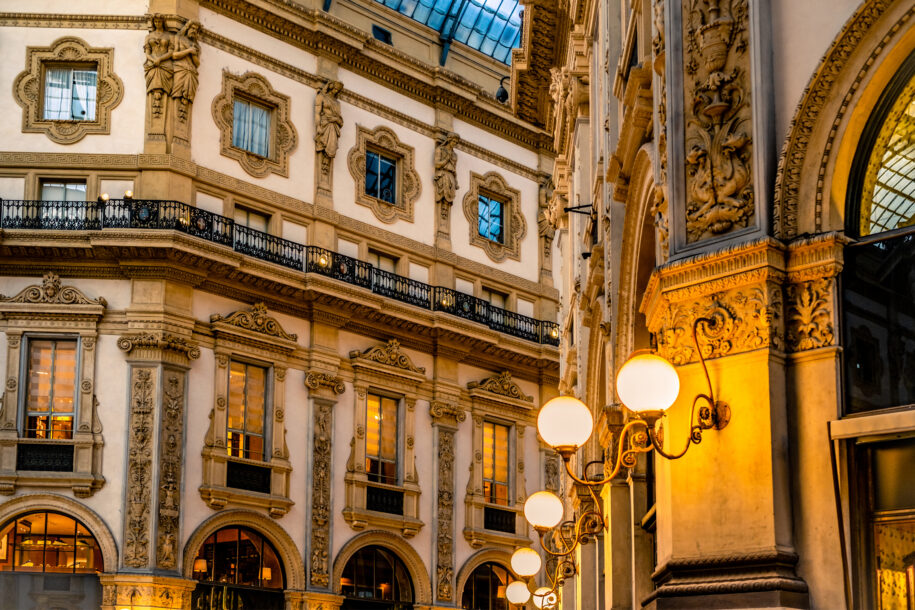
- Cathedral complex and central axis: The Duomo area is the city’s symbolic heart. Even if you’re not a cathedral specialist, the scale and the surrounding urban scene are worth experiencing. The nearby Galleria Vittorio Emanuele II is less about shopping and more about Milan’s 19th-century idea of modernity—an interior street that still functions as a meeting place.
- Renaissance art and iconic masterpieces: If you aim to see works like Leonardo’s The Last Supper, planning ahead is essential because access is limited. It’s a classic example of a Milan experience that is absolutely “worth it” when booked properly and frustrating when approached last minute.
- Historic performance culture: Even if you don’t attend an opera, areas around major venues like La Scala help you understand Milan’s role in European cultural history.
- Neighborhood identity: Brera for its artistic and literary atmosphere; Navigli for canals and evening social life; Porta Nuova for contemporary skyline and urban redevelopment. These contrasts are part of Milan’s identity as a city that continuously reinvents itself.
For visitors who want to stay flexible during travel days, the Milan page on Baggysitter can be a useful reference point for organizing hands-free time between attractions without circling back to your accommodation.
Things to do in Milan during your visit
Beyond the checklist, Milan is rewarding when you build your day around experiences that match the city’s rhythm. A few ideas that work for different travel styles:
1) Do Milan like locals do: aperitivo as a schedule tool. Aperitivo isn’t just “drinks before dinner”; it’s a social slot that can help you structure your evening. After a museum-heavy day, choose a neighborhood (Navigli, Isola, Porta Venezia) and let the evening unfold with a walk, a drink, and a simple dinner. This is one of the easiest ways to feel the city’s contemporary energy without chasing nightlife.
2) Explore design and architecture intentionally. Milan is a design capital year-round, not only during major fairs. If you’re curious, look for galleries, showrooms, and bookshops focused on architecture and industrial design. Even a short visit to a well-curated concept store can help you understand why Milan is influential in how products, interiors, and fashion are imagined.
3) Build in “micro-escapes”: parks, courtyards, and quieter streets can be restorative. Milan can be intense in the center; alternating busy areas with calmer pockets keeps your day pleasant. A simple strategy is to plan one major attraction in the morning, one in the early afternoon, and keep late afternoon flexible for wandering.
4) Use transit smartly: Milan’s metro and trams are part of the experience and often the fastest way to switch neighborhoods. If you have limited time, don’t over-walk—save your steps for the areas where walking adds value (historic centers, canal walks, district exploration).
On days when you’re moving between hotel and station or arriving on an early train, having a clear plan for bags can expand what you can do. The Baggysitter services in Milan are relevant precisely for those in-between hours, when your itinerary is full but your hands (and energy) shouldn’t be.
How expensive is it to visit Milan?
Milan is often perceived as expensive, and in some categories it can be—especially accommodation in central areas during major events and peak weekends. But cost in Milan is highly variable, and the city offers multiple “price lanes” depending on how you travel. It’s better to think in terms of cost drivers than in terms of a single reputation.
Accommodation is usually the biggest variable. Prices shift significantly based on dates (events matter), booking lead time, and neighborhood. If you’re flexible, staying slightly outside the very center but near a metro line can reduce costs without compromising mobility. Attractions can also create a budget pinch, particularly where timed entry is required or where you’re combining multiple paid sites. By contrast, everyday spending—public transport, coffee, simple meals—can be manageable, especially if you mix sit-down dinners with more casual options.
A practical note for travelers who plan around budgets: hospitality pricing often reacts to demand patterns in ways that are not intuitive. If you want to understand why room rates can jump during certain weeks and how that affects travelers, it can be useful to read about dynamic pricing in hotels. While it’s written with hospitality in mind, it explains the mechanisms that can shape what you pay in Milan (and other major cities).
What do others say about visiting Milan?
Milan generates polarized reviews because people often arrive with different expectations. Some want “Italian postcard” charm and are surprised by a more modern cityscape; others love Milan precisely because it feels contemporary, efficient, and less tourist-performed. Reading other opinions can help, but it’s important to filter them through your travel style. A visitor who dislikes shopping districts might find Milan underwhelming, while someone who enjoys design, food, and urban culture might consider it one of the most interesting cities in Italy.
A useful way to interpret the conversation is to separate objective friction (queues, prices during events, weather in winter) from subjective mismatch (expecting Rome/Florence vibes). Milan can under-deliver when you treat it as a checklist stop; it can over-deliver when you give it at least a day and a half and explore beyond the cathedral square.
Insights from Reddit on is Milan worth visiting
On Reddit and similar forums, you’ll often see recurring themes rather than consistent verdicts. Many users say Milan is “worth it if you know what you’re going for,” and they point to specific strengths: day-to-day livability, aperitivo culture, modern neighborhoods, and the ease of using public transport. You’ll also see frequent mentions of the major headline attractions—especially when people compare the emotional impact of one iconic masterpiece versus spending multiple days in smaller art cities.
What’s most valuable in these threads is the practical detail: suggestions on how to structure a short visit, warnings about timed entry for high-demand sites, and honest takes on which areas feel atmospheric after dark. The best advice tends to be experience-based and specific (e.g., “do X in the morning, Y in the evening”), while broad statements like “boring” or “amazing” usually reveal more about the commenter’s preferences than about Milan itself.
Common pros and cons of visiting Milan
Pros typically include the concentration of high-impact sights, excellent rail connections, a strong food and café culture, and the ability to combine classic art with contemporary urban experiences. Milan can also feel easier to navigate than some Italian cities because of its metro system and its overall infrastructure.
Cons often relate to expectations and timing. If you visit during a major event week, accommodation can become expensive and the center may feel crowded. Winter weather can be damp and gray, which affects the “walking city” pleasure. And if you prefer small historic centers where every street feels ancient, parts of Milan will feel more modern and businesslike. None of these are deal-breakers, but they are factors to plan around—especially if you only have a day.
Domande frequenti
If you’re planning your first trip, it helps to answer a few practical questions early—especially those related to timing, luggage, and what kind of itinerary is realistic. For operational details about how luggage storage and delivery works (and what to expect in terms of process), you can consult the Baggysitter FAQ as a reference point.
Is Milan worth visiting as a tourist?
Yes, Milan is worth visiting as a tourist if you approach it as a city of contrasts: major art and architecture alongside a modern, working-city feel. The tourist experience is strongest when you combine at least one “anchor” attraction (Duomo complex, a major museum, or a landmark masterpiece) with neighborhood time—Brera, Navigli, Isola, Porta Venezia—so you don’t reduce Milan to a quick photo stop.
How many days do I need in Milan?
Many travelers can have a satisfying visit in 1–2 days, depending on priorities. One day works for a highlight route if you pre-book anything that requires timed entry and keep your itinerary compact. Two days allows you to pace it: dedicate one day to the historic core and major sights, and the second to neighborhoods, design-oriented stops, and a more relaxed food plan. If you’re using Milan as a base for day trips, add time accordingly—but for the city itself, two days is often a comfortable sweet spot.
Is Milan or Rome better for a visit?
It depends on the kind of trip you want. Rome is more obviously “historic” at every turn and often suits travelers who want large-scale ancient sites and a dense concentration of classic landmarks. Milan tends to suit travelers who enjoy a mix of art and modern urban culture—design, fashion history, contemporary architecture, and a strong local lifestyle scene. If you have time for only one city and your priority is ancient history, Rome may feel more aligned. If your priority is a modern European city experience with major art highlights, Milan can be the better fit.
What are the cons of visiting Milan?
The most common cons are not about quality but about fit: Milan can feel less “storybook Italy,” it can be pricier during high-demand periods, and winter weather can reduce the pleasure of wandering outdoors. Some attractions require advance planning due to limited entry slots, which can frustrate spontaneous travelers. The solution is to set expectations correctly, choose dates carefully, and build an itinerary that mixes pre-booked anchors with flexible neighborhood time.
Milan isn’t a city that begs you to see everything at once. It’s more rewarding when you treat it as a place with its own pace—half classic, half contemporary—and you plan the practical pieces (tickets, timing, luggage) so your attention stays on what you came for: the art, the streets, the food, and the city’s very specific, unmistakably Milanese energy.
Leave a Reply