
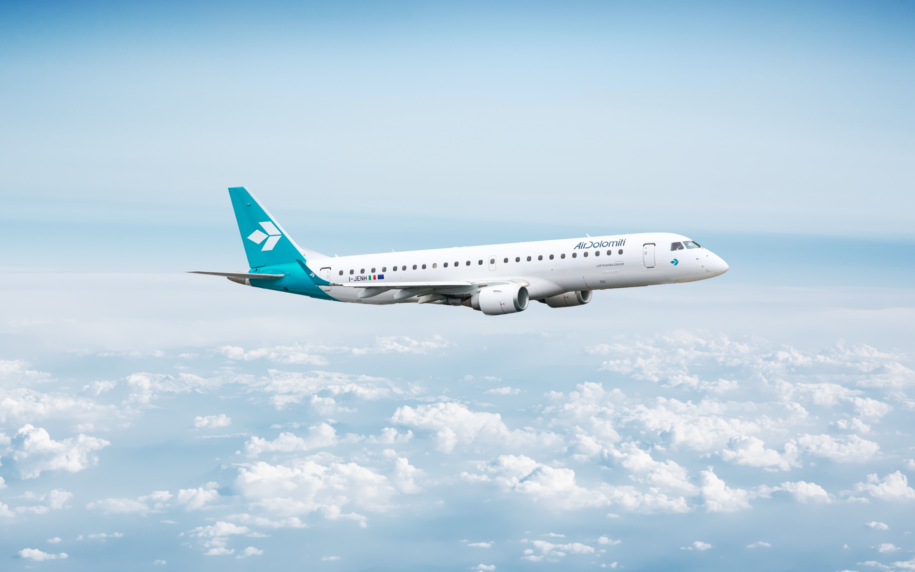
Understanding Air Dolomiti baggage rules before you leave home is one of the simplest ways to avoid last‑minute stress at the airport: you pack with the right dimensions in mind, you choose the right fare for the trip, and you know what might trigger extra charges at check-in or at the gate. This guide summarizes the key points travelers typically need: cabin baggage size/weight expectations, checked baggage concepts (including the common “2 bags at 23 kg” wording), class/status variations, restrictions on what you can carry, and practical check-in tips. Because baggage policies can change by route, fare, and time, always confirm the final rules in your booking details and the carrier’s official pages.
Table of contents
- Air Dolomiti cabin baggage allowance
- Checked baggage allowance and fees
- Baggage allowance by class and status
- Air Dolomiti baggage restrictions
- Air Dolomiti check-in and baggage procedures
- Domande frequenti
Air Dolomiti cabin baggage allowance
Air Dolomiti is part of the Lufthansa Group and often operates flights where policies align with broader group standards, but your effective cabin baggage allowance still depends on what you purchased (fare family), your route, and your frequent-flyer status. In practice, “cabin baggage allowance” usually includes: (1) one main carry-on item that must fit in the overhead bin and (2) one smaller personal item that fits under the seat (when allowed by the fare). The most common friction points are size (wheel-to-handle measurements), weight (especially on smaller aircraft and full flights), and what counts as a personal item versus a second carry-on.
If you want a broader benchmark across airlines, it helps to compare typical dimensions and trends in Europe: see the reference overview in Carry On Luggage Size Limits 2026. Keep in mind that the “industry typical” size is not a guarantee for every carrier or fare: always confirm the exact numbers on your booking.
Carry-on baggage size and weight limits
Airlines define carry-on allowance through two parameters: maximum external dimensions (including wheels, handles, and pockets) and maximum weight. Dimensions are usually enforced through baggage sizers placed near check-in or boarding gates; weight is checked less consistently but can be applied when flights are busy or when your bag looks heavy. The practical implication is that a carry-on that is “almost right” may still fail if wheels push it over the limit, or if your expandable suitcase is fully packed and no longer fits the frame.
Before you finalize packing, measure the bag fully packed (not empty) and pay attention to rigid corners and external pockets. If you’re traveling with electronics, coats, or bulky shoes, consider distributing the load across your personal item (if included) to avoid both overweight issues and the inconvenience of repacking at the counter. For step-by-step packing strategies to reduce volume without sacrificing essentials, you can cross-check the methods in How to pack a suitcase efficiently.
Air Dolomiti policy on weighing carry-ons
Many travelers ask whether Air Dolomiti routinely weighs cabin bags. The reality is that weighing practices vary: some airports and operational days are stricter than others, and enforcement often increases when flights are full, when you board late, or when carry-ons appear oversized. Even when your carry-on is not weighed, you are still expected to comply with the allowance shown on your ticket; if the airline decides your bag is too heavy or too large, you may be required to gate-check it, sometimes with an additional fee depending on your fare conditions.
If you’re unsure about what happens when your bag is slightly above the limit—or what the airline typically does at the gate—review the practical Q&A in Baggysitter’s Frequently Asked Questions, which also covers common “day-of-travel” scenarios. As a rule of thumb, aim to stay comfortably under the maximum weight and avoid bags that look packed to the brim; a compact, compliant carry-on tends to attract less scrutiny than a bulging suitcase.
Checked baggage allowance and fees
Checked baggage rules are usually clearer than cabin rules: you drop the bag at the counter or bag drop, it is weighed, tagged, and transported in the hold. The complexity comes from what is included in your fare and how fees are calculated. In Europe, it’s common that some economy fares include no checked baggage, while higher economy fares and business class include one or more pieces. Fees also depend on whether you buy baggage during booking, after booking, or at the airport: the last option is often the most expensive.
When comparing carriers, note that low-cost airlines often monetize baggage differently than network carriers. If you want to understand the broader logic of restrictions and how fees typically arise (oversize, overweight, extra pieces), see the context in Complete Guide to Luggage Restrictions. It can help you interpret the “fine print” of fare families and avoid surprises.
Weight limits for checked bags
For checked baggage, the key number is the maximum weight per piece. Airlines commonly set a standard piece weight (often 23 kg for many international economy inclusions and higher for premium cabins), with strict surcharges if you exceed it. The reason is not only aircraft loading; it’s also ground handling safety. Overweight pieces may need special handling and can be refused or require repacking on the spot.
Two practical tips: (1) weigh your bag at home using a luggage scale and (2) leave buffer. If your scale shows you are exactly at the limit, assume you might be over once you add a lock, a baggage tag, or if the airport scale reads differently. If you’re traveling with gifts or shopping planned at destination, pack with “return weight” in mind—many overweight situations happen on the way back.
Baggage fees overview
Fees for checked baggage typically come from three situations: adding a first checked bag to a fare that doesn’t include it, adding an extra piece beyond what’s included, and exceeding weight/dimension limits (overweight/oversize). The cheapest path is usually to decide early: purchase the baggage allowance online during booking or via Manage Booking if available, and keep a copy (digital or screenshot) of what’s included in case the airport system shows something different.
Also consider the “hidden” cost of time. If you arrive with baggage you still need to pay for at the airport, you may face longer lines, tighter timing for security, and stress. For travelers who want to move freely after checkout or before a late flight—especially in cities where you’d rather explore than carry bags—baggage storage and delivery solutions can reduce the friction. In those cases, services like Baggysitter fit naturally into the travel day: you align luggage logistics with your schedule instead of letting luggage dictate your itinerary.
Understanding 2 bags at 23kg each
The wording “2 bags at 23 kg each” (or similar) is a classic point of confusion. It usually means you are allowed two separate checked pieces, and each piece can weigh up to 23 kg. It does not typically mean you can bring one 46 kg suitcase. Most airlines treat the limit per piece, not pooled across pieces, and the system is enforced at the counter scale. If you show up with one bag that exceeds the per-piece limit, you may be charged an overweight fee or asked to redistribute items into a second bag—assuming you’re allowed a second bag and the second piece meets size requirements.
From a packing standpoint, the safest way to benefit from a 2×23 kg allowance is to plan two medium-weight suitcases rather than one very heavy one. This reduces handling risk (bag damage, zipper stress), makes airport movement easier, and helps if one bag is delayed: essential items split across pieces can reduce the impact of irregular operations.
Baggage allowance by class and status
Air Dolomiti baggage allowance can differ based on cabin class (economy vs business), fare family inside that class, and status in frequent-flyer programs—particularly within the Star Alliance ecosystem. When you book, don’t rely on generic rules you read online: the most authoritative reference is the allowance stated in your booking confirmation (often shown per passenger), because it reflects fare conditions and route specifics.
Economy class baggage allowance
Economy class is not a single product: different economy fares can include different baggage entitlements. On many European network carriers, it’s common that entry-level economy may include only cabin baggage (sometimes even just a personal item, depending on fare), while “classic/flex” style fares include a checked piece. The traveler experience changes accordingly: if you choose the lowest fare but later realize you need a checked bag, buying it afterwards can cost more than selecting a fare that included it from the start.
If you’re trying to decide between traveling light and checking a bag, think about the trip length, season, and the type of items you must carry (formal wear, sports equipment, baby items). For travelers departing from Italian airports, liquids rules often become the practical constraint for cabin-only travel; if you need a refresher on containers, bag size, and the typical screening process, see Carry-on liquid limits in Europe.
Star Alliance Gold baggage benefits
If you hold Star Alliance Gold status (through eligible programs), you may receive extra baggage benefits such as an additional checked piece or increased weight allowance, plus priority services that indirectly help with baggage handling (priority check-in, sometimes priority baggage delivery). The key detail is that benefits depend on the operating carrier, the route, and the fare rules: status often adds something on top of the base allowance, but it doesn’t override every restriction (for example, dangerous goods rules and certain maximum sizes still apply).
To avoid misunderstandings, verify in your booking summary how status benefits are applied for your specific itinerary, especially if your trip includes code-share segments or flights operated by a partner airline. If you’re flying on a ticket issued by one carrier but operated by another, baggage rules can follow the “most significant carrier” concept; your confirmation should indicate which rules apply.
Air Dolomiti baggage restrictions
Beyond size and weight, baggage compliance is mainly about safety and security regulations. Restrictions may come from international rules (aviation security), airport screening procedures, and airline-specific policies (for example, how they accept fragile items, batteries, or sports equipment). The most common issues at screening involve liquids, sharp objects, tools, and lithium batteries—particularly power banks and spare batteries—which are generally restricted in checked baggage and must be carried in the cabin under certain conditions.
Prohibited items in cabin and checked baggage
“Prohibited” can mean different things: some items are banned from both cabin and hold, while others are allowed only in one place. For instance, many battery-powered devices are permitted in the cabin, but spare lithium batteries and power banks are typically not accepted in checked luggage. Liquids in cabin are limited by security rules, while in checked bags you can usually transport larger quantities—within reason and depending on the substance (e.g., alcohol percentage rules can apply).
For a clear, traveler-oriented checklist of what is commonly restricted and why (including typical airport security interpretations), consult Items not allowed on plane. Use it as a practical packing audit before you leave: it’s much easier to adjust at home than at a busy security lane.
Special baggage and oversized items
Special baggage includes items that fall outside standard suitcase norms: sports equipment (skis, golf bags, bikes), musical instruments, strollers, medical devices, and oversized/odd-shaped items. These often require advance notice, special packaging, or specific drop-off procedures. Fees can apply even if you have a generous standard allowance, because special items can take more space or require dedicated handling.
When you plan to travel with an oversized item, check three things early: (1) whether the item is accepted on your specific aircraft type, (2) how it must be packed (hard case vs soft bag, deflated tires for bikes, etc.), and (3) whether you must book it in advance. If you only discover at the airport that pre-authorization was required, you risk refusal or a costly rebooking.
Air Dolomiti check-in and baggage procedures
Even with the right allowance, the travel day can go wrong if you underestimate timelines. For flights within Europe, a smooth process typically means: online check-in when available, arriving with time to drop bags, keeping documents handy, and knowing what happens at the gate if cabin space is limited. Operationally, airlines may ask for volunteers to gate-check carry-ons (sometimes free of charge) when overhead bins are expected to fill up—this is more likely on peak business routes and during holiday periods.
How to check in with Air Dolomiti
Check-in options often include online check-in, mobile boarding passes, and airport counters/bag drop. If you have checked baggage, you’ll still need to visit bag drop (or a staffed counter) to tag and hand over your suitcase. Make sure the name on the reservation matches your travel document, and keep your baggage receipt until the end of the trip: it’s the fastest way to trace your bag if it is delayed.
If you’re connecting onward, confirm whether your checked bag is tagged to your final destination or if you must collect and re-check it. This detail depends on the itinerary structure and partners involved; asking at bag drop can prevent unpleasant surprises mid-journey.
Tips for smooth baggage handling
Small habits can materially reduce baggage problems:
- Label inside and outside: add a luggage tag and place a contact card inside the suitcase in case the external tag is torn off.
- Use a distinctive marker: a strap or small ribbon makes identification faster at baggage claim and reduces accidental swaps.
- Protect fragile items: cushion electronics and glass bottles, and keep valuables, documents, and medication in your personal item.
- Plan for your destination: if you land early but your accommodation check-in is later, consider how you’ll manage luggage for those hours.
That last point is where many itineraries lose time: arriving in a city and having to drag suitcases through public transport or crowded areas. If your travel day includes spare hours in Milan, for example, it can be more comfortable to explore hands-free—whether you choose storage, delivery, or simply pack lighter. For ideas on what to do without being slowed down by luggage, see Is Milan walkable?.
Domande frequenti
Does Air Dolomiti weigh carry-on baggage?
It can. Carry-on weighing is not always systematic, but it may happen depending on the airport, the load factor, and whether your bag looks heavy or oversized. If your carry-on exceeds the allowance shown on your ticket, you may be asked to gate-check it and, depending on fare conditions, pay an additional fee. For practical clarifications on what typically happens in these situations, refer to Baggysitter’s FAQ page.
What does 2 bags at 23kg mean on Air Dolomiti?
It typically means you may check two separate bags, each up to 23 kg. The limit is usually per piece, not combined. So one bag at 30 kg plus one at 16 kg would generally still trigger an overweight fee for the 30 kg bag, even if the total is 46 kg. If you need to transport heavier loads, the usual solution is to redistribute weight across two compliant pieces or to purchase additional baggage according to the airline’s options (when available).
What is the baggage allowance for economy class?
Economy allowance varies by fare type and route. Some economy fares include only cabin baggage (or a personal item plus a carry-on), while others include one checked bag. The reliable way to know your allowance is to check the baggage section in your booking confirmation or Manage Booking area, where entitlements are listed per passenger. If you’re deciding what to bring, start from that official allowance and then pack with a buffer for weight and size.
Is Air Dolomiti the same as Lufthansa?
No—Air Dolomiti is a distinct airline, but it is part of the Lufthansa Group and operates within that ecosystem. In practice, this can mean aligned service standards on some routes and integrated booking/connecting itineraries. However, baggage policies can still depend on the operating carrier and the specific ticket conditions. When in doubt, follow the rules shown for the operating airline on your itinerary and the baggage allowance stated on your ticket.
Can I bring cabin baggage and checked baggage on Air Dolomiti?
Yes, many travelers do—provided your fare includes both or you have added checked baggage. Cabin baggage is what you keep with you on board (subject to size/weight rules), while checked baggage is handed over at bag drop and collected at arrival. If your fare includes only cabin items, you can typically add a checked bag for a fee, subject to availability and the airline’s conditions.
Ultimately, the safest approach is to treat baggage as part of trip planning rather than a last-minute detail: confirm your allowance on the ticket, pack to the strictest dimension you might encounter, and keep a margin on weight. That way, whether you’re flying for a quick business hop or a longer leisure trip, you reduce the risk of repacking at the airport and you preserve time for what you actually want to do once you land.
Leave a Reply