
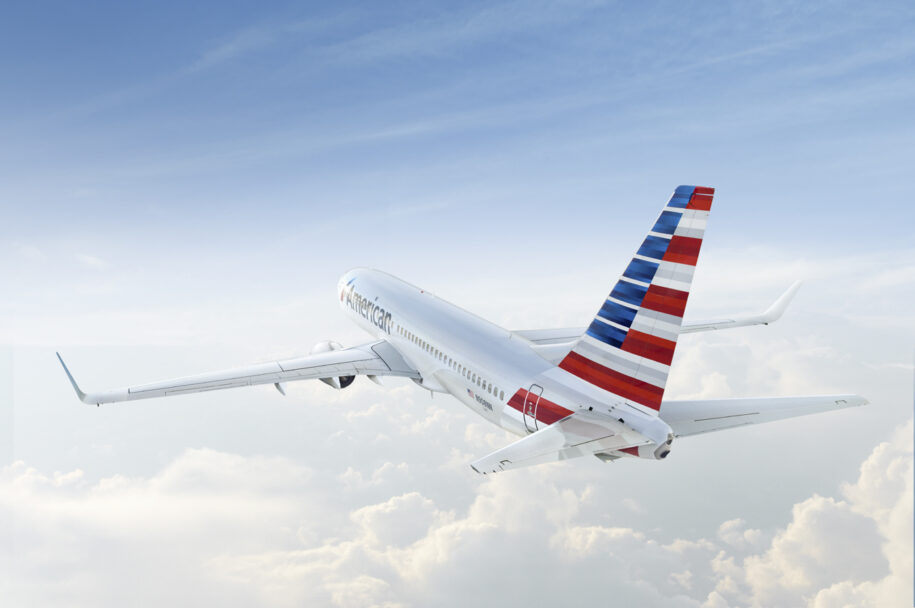
Understanding the American Airlines allowance is one of the fastest ways to travel with fewer surprises at the airport: you reduce the risk of gate-checks, speed up security, and avoid last-minute fees that often cost more than planning ahead. This guide focuses on what matters in practice—carry-on and checked baggage limits, how check-in works, what to do with power banks, and the rules for traveling with pets—while keeping the information conservative and policy-aligned. Because airline baggage policies can change and may depend on route, ticket type, and status, use this article as a structured checklist and always confirm the latest details in your booking before departure.
If you are comparing baggage policies across carriers or want a wider framework for planning, you may also find it useful to review this complete guide to luggage restrictions (carry-on, checked bags and fees) and the broader reference on carry-on luggage size limits across airlines. The goal is not to memorize numbers, but to develop a routine: measure, weigh, pack, and check your itinerary rules.
Table of contents
- Overview of American airlines baggage allowance
- How to check in with American airlines
- Rules for carrying power banks on American airlines
- Policy for traveling with animals on American airlines
- Menu options and services on American airlines flights
- American airlines baggage fees and how to avoid them
- Domande frequenti
Overview of American airlines baggage allowance
American Airlines applies baggage rules that depend primarily on route (domestic vs international), cabin (Economy, Premium Economy, Business, First), and fare type (some discounted fares may include fewer checked bags). In addition, elite status and co-branded credit cards can change your included baggage. The most practical approach is to treat your baggage plan as part of your ticket: before you pack, open your booking and look for the “baggage” section where your specific allowance is listed.
Carry-on baggage allowance and size limits
For most itineraries, American Airlines follows a typical “one carry-on + one personal item” model. Your carry-on is intended for the overhead bin, while your personal item must fit under the seat in front of you. Instead of thinking only about airline rules, think about the entire journey: you will lift your bag into bins, navigate narrow aisles, and sometimes face full flights where overhead space is limited. A carry-on that is technically compliant but hard to handle can still cause delays or get gate-checked.
Because size enforcement often happens at the gate (and can be stricter on packed flights), it’s smart to measure your carry-on including wheels and handles. If you routinely fly multiple airlines, align your luggage choice with common industry limits. For a broader comparison across operators, see the reference on airline carry-on size rules and dimensions. Also remember that items like jackets, small duty-free bags (where allowed), and travel pillows may be treated differently depending on staff discretion—plan as if they won’t be “free extras.”
Checked baggage allowance and weight limits
Checked baggage rules are usually where travelers run into fees. American Airlines generally sets a maximum weight per checked bag and may set a maximum size (based on total linear inches/centimeters) before charging oversize/overweight fees. The exact weight limit can vary by cabin and route, and special items (sports equipment, musical instruments) can have their own policies. If you are close to the limit, do not rely on “airport scale differences”: a single kilogram or pound over can trigger a fee, and repacking at the counter is stressful and time-consuming.
A practical packing workflow is: weigh your empty suitcase, plan an estimated weight for clothing/toiletries, then do a final weigh at home. If you’re trying to stay within limits, you’ll get more value by packing efficiently than by buying a larger suitcase. For tactics that actually help (compression strategy, shoe packing, and how to distribute heavy items), read how to pack a suitcase efficiently to save space and avoid fees.
Carry-on baggage fees and included items
On many airlines, carry-on fees are more common in ultra-low-cost models; for major carriers, carry-on is often included, but you should not assume it is universal across every fare type or route. The key distinction is whether your ticket includes a standard carry-on for the overhead bin, or only a smaller personal item. The “included items” concept also matters: medical devices and mobility aids are often treated differently from regular baggage, and baby items (like diaper bags) may have specific allowances. Since rules can be nuanced, treat the booking confirmation as the authoritative source for what is included.
When you plan your cabin baggage, also consider airport security restrictions. If you’re carrying liquids, gels, aerosols, or prohibited items, you can lose time at screening or be forced to discard items. For a structured review, consult items not allowed on planes: TSA and airline rules. (If your trip includes European airports, note that liquid rules can vary by airport technology; this overview on carry-on liquid limits in Europe helps you plan connections.)
How to check in with American airlines
Check-in is not just a formality; it’s where your itinerary, seat assignment, and baggage plan meet. A smooth check-in reduces the chance of a last-minute bag decision at the counter (which often leads to extra fees or forced gate-check). If you’re traveling with checked luggage, arriving early matters: you need time for bag drop, potential screening questions, and walking to the gate—especially in large U.S. hubs where terminals and security lines can be unpredictable.
Online check-in process
Online check-in typically opens before departure and can be completed via website or app. The advantage is speed: you confirm passenger details, review baggage options, and obtain your boarding pass before you reach the airport. If you anticipate checking a bag, online check-in also helps because you can often prepay baggage (when available) and reduce counter time. Even when prepayment doesn’t reduce price, it reduces decision pressure at the airport and clarifies what you have purchased.
Keep your documents ready during online check-in, especially for international routes (passport details, visas where required). If you are connecting to another carrier, confirm which airline’s rules apply to baggage on each segment; “most significant carrier” concepts can matter on some international itineraries. When in doubt, plan conservatively: pack within the stricter set of limits.
Check-in for baggage and pets
If you have checked baggage, you’ll usually complete online check-in first, then proceed to a bag drop (or full-service counter) at the airport. Be mindful of cut-off times: airlines typically require checked bags to be dropped by a certain time before departure, and these cut-offs can be earlier on international flights. If you miss the cut-off, you may be denied bag acceptance even if you arrive before boarding.
Traveling with pets adds an additional layer: carriers, health documentation, and limited cabin capacity for animals can require coordination and, in some cases, advance approval. It’s wise to arrive earlier than you normally would, because you may need a counter interaction rather than self-service bag drop.
American airlines enrollment and account setup
Creating an airline account (and joining the loyalty program) is useful even if you do not fly frequently. It centralizes your bookings, makes it easier to manage seats and notifications, and can streamline rebooking if disruptions occur. For travelers who fly multiple times per year, an account also helps keep track of baggage entitlements tied to status or to certain payment methods. In short: if you want fewer surprises, keep your travel profile updated and your itinerary accessible in one place.
Rules for carrying power banks on American airlines
Power banks are now a standard travel essential, but they also fall under strict safety rules because they contain lithium batteries. Most enforcement happens at security screening and at the gate, and the main principle is consistent across airlines: spare lithium batteries and power banks generally must travel in the cabin, not in checked luggage. The details depend on capacity and on the specific device type.
Allowed power bank types and capacity
Airline and aviation authority guidance typically defines limits using watt-hours (Wh). Many consumer power banks list capacity in mAh, so you may need to convert: Wh ≈ (mAh × Voltage) / 1000 (most power banks use ~3.7V nominal). If the device is not clearly labeled, security staff may treat it as non-compliant. As a practical rule, buy power banks from reputable brands with clear labeling, avoid damaged units, and do not travel with swollen batteries.
Also consider how you will use it: on long-haul flights, a smaller power bank for phone-only backup can be easier to manage than a large “laptop-grade” unit that attracts extra scrutiny. If your itinerary includes tight connections, minimizing screening complexity can be as valuable as having maximum capacity.
Packing power banks in carry-on vs checked bags
Pack your power bank in your carry-on or personal item, ideally in a pouch where it is easy to remove for inspection. Do not place power banks in checked bags unless you have confirmed an exception that explicitly allows it—because many airlines prohibit them in the hold due to fire risk. Protect terminals from short-circuits (use the original case or a small organizer), and avoid charging the power bank inside your checked suitcase even if you intend to move it later.
From a broader packing compliance perspective, it’s worth doing a quick “restricted items scan” of your carry-on before leaving home—lithium batteries, aerosols, sharp objects, and tools are common trip-stoppers. The checklist in this guide to items not allowed on planes can reduce the odds of losing time (or items) at security.
Policy for traveling with animals on American airlines
Traveling with animals requires careful planning because airline policies can differ significantly based on whether your pet travels in the cabin, as checked baggage, or as cargo (where available). Even when airline rules allow pets, the practical constraints—carrier size, animal comfort, temperature restrictions, and documentation—often determine whether a trip is feasible. Always prioritize the animal’s welfare: if your itinerary includes long layovers, high temperatures, or multiple transfers, you may want to reconsider flying or select a route that minimizes stress.
Allowed pets and carrier requirements
For in-cabin travel, the carrier typically must fit under the seat and provide adequate ventilation and secure closure. Soft-sided carriers are often easier to fit under seats, but they must still be sturdy and prevent escape. Train your pet to tolerate the carrier before the trip: short “practice sessions” at home reduce anxiety and help you identify issues (zippers, ventilation, comfort) ahead of time.
Do not assume that every aircraft or seat row is equally suitable. Bulkhead seats may have different under-seat space limitations, and some cabins may restrict pet travel. If you can, choose seats after reviewing aircraft-specific details and keep a backup plan in case seat changes occur due to equipment swaps.
Fees and documentation for animal travel
Fees for traveling with pets can apply per segment and are typically separate from standard baggage fees. Documentation requirements vary by destination and can include health certificates, vaccination records, microchip compliance, and import permits. These are not “nice-to-haves”: missing paperwork can prevent boarding or entry at the destination. If you are traveling internationally, verify requirements with the destination country’s official sources and align your vet visit timing accordingly, since some documents must be issued within specific windows before travel.
Finally, plan your airport routine: arrive early, keep absorbent pads available, and avoid feeding immediately before the flight to reduce discomfort. If your trip involves long transfers, identify pet relief areas in advance.
Menu options and services on American airlines flights
Food and onboard services influence how you pack and how much weight you allocate to carry-on items. On short flights, meal service may be limited or available for purchase; on long-haul routes and in premium cabins, meal service is more likely to be included. The important point for travelers is to align expectations with your route and cabin: don’t assume a full meal if you have a tight connection and are relying on onboard food.
In-flight meal availability and selections
Meal availability varies with flight duration, time of day, and class of service. If you have dietary requirements, the safest approach is to request special meals where the airline provides that option and to carry a small backup snack that meets security rules. When packing food, consider customs rules at your destination—some countries restrict the entry of certain fresh items. If you are traveling with children, think in terms of “low-mess, low-odor, shelf-stable” items that won’t create problems in a confined cabin.
Also remember that hydration and comfort tie back into baggage planning. A lightweight empty bottle to fill after security is usually more efficient than buying multiple drinks onboard. These small decisions reduce both carry-on volume and spending.
American airlines baggage fees and how to avoid them
Baggage fees are rarely “random”: they are typically triggered by three things—number of checked bags, weight, and size. The fastest way to avoid them is to decide early whether you will travel carry-on only or check a bag, and then pack to that decision. Many travelers end up paying more because they pack first and decide later, usually at the airport when the alternatives are limited.
Baggage fee structure by flight class
In general terms, premium cabins and higher fare families tend to include more checked bags and higher weight limits, while basic or deeply discounted economy fares may include fewer benefits. However, the exact structure depends on your itinerary and ticket conditions, so treat your booking as the source of truth. If you are traveling as a group or family, remember that allowances and fees may apply per passenger, and mixing fare types on the same reservation can complicate what is included.
If you are comparing with other airlines’ approaches—especially for travelers used to European low-cost models—it can help to understand how different carriers separate personal items, cabin bags, and checked luggage. For example, these guides on Ryanair cabin luggage rules and EasyJet hand luggage limits show how fee logic can differ—useful if your trip mixes U.S. and European segments.
Tips to minimize baggage fees
Minimizing baggage fees is mainly about process and discipline. Here are practical, low-risk strategies that work across most itineraries:
- Choose luggage that fits common dimensions: one compliant carry-on and one true personal item often cover short trips without checked baggage.
- Weigh early: use a home scale and leave a safety margin for souvenirs or gifts on the way back.
- Pack by function, not by outfit count: a few versatile layers reduce volume and weight.
- Move dense items to your personal item (within reason): chargers, small tech, and toiletries can push a checked bag overweight unexpectedly.
- Know the restricted items: if an item can’t go in carry-on, you may be forced to check a bag.
If your itinerary includes time between hotel check-out and a late flight, or you want to explore without dragging luggage, consider using a luggage storage and delivery service. For many travelers, this reduces the temptation to overpack “just in case” and makes the last day more flexible—especially in large cities where moving with suitcases is inconvenient.
Domande frequenti
The questions below summarize the most common doubts travelers have about baggage rules, fees, and power banks. For additional clarifications and operational questions (including how baggage storage services work), you can consult the Baggysitter FAQ page.
What is my baggage allowance with American airlines?
Your baggage allowance depends on your route, cabin, fare type, and any status or eligible card benefits linked to your booking. The most reliable way to confirm is to open your reservation and check the baggage section for your specific itinerary. If you want a structured way to interpret what you see there, start from the FAQ section and then compare the allowance against your actual bag measurements and weight.
How many bags can I carry on American airlines for free?
Many itineraries follow a “one carry-on plus one personal item” model, but the definition of what is included can vary by fare and route. If you are unsure, verify directly in your booking confirmation and plan your packing around the stricter interpretation (personal item must fit under the seat). For more practical guidance and edge cases, see the frequently asked questions.
What baggage is included with American airlines economy class?
Economy class inclusions can differ by fare family and destination. Some economy fares may include fewer checked bag benefits than others, and international routes can have different inclusions compared to domestic flights. The safest workflow is: check your fare conditions → confirm included bags → decide whether to add prepaid baggage. If you need help interpreting common scenarios, the Baggysitter FAQ is a useful starting point.
How strict are American airlines on baggage weight?
Weight rules tend to be applied consistently at check-in because they are easy to measure and linked to safety and handling processes. If you are near the limit, expect enforcement and avoid relying on exceptions. Weigh your bag at home, leave a margin, and distribute heavy items strategically. For packing techniques that reduce overweight risk without sacrificing essentials, review these space-saving packing tips (especially the sections on density and layering).
Can I bring a power bank in my carry-on bag on American airlines?
In most cases, power banks are intended to be carried in the cabin rather than in checked luggage, subject to capacity and safety rules. Keep the device clearly labeled, protect terminals from short-circuiting, and pack it so it can be inspected easily if requested. For quick clarifications and operational tips, consult the FAQ page. For a broader compliance checklist, see the guide on restricted items on planes.
Travel becomes noticeably simpler when you treat baggage rules as part of your itinerary planning: pick the right bag, pack to a target weight, and keep restricted items where they belong. If you build this habit—especially before long-haul flights or multi-airline trips—you will spend less time negotiating at counters and more time actually enjoying the destination.
Leave a Reply